ClickUp alternatives: 50 project management options by type
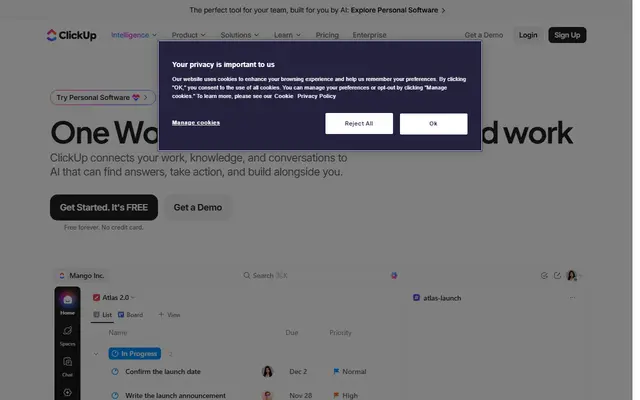
ClickUp is a universal task and project management platform. According to the public data behind this directory, it was founded in 2016, is headquartered in the United States, and its domain sits at Majestic rank 2,241 and Tranco rank 2,828. We found no public note about a rebrand, closure or acquisition, although we did not run a separate news search, which is a limitation of our review.
This page lists 50 alternatives and sorts them into ten types: direct competitors, budget-friendly tools, free options, one enterprise-grade product, open-source projects, a self-hosted edition, regional specialists, built-in suite tools, adjacent time-tracking tools and do-it-yourself setups. Each type answers a different reason for leaving, whether that is price, complexity, hosting control or local-market needs.
Everything is based on public sources reviewed in November 2026. We did not run hands-on trials and we do not list prices or feature tables. Use the list to build a shortlist, then check current plans on each vendor's site. The documents and productivity category shows how these products relate.
ClickUp is available at clickup.com. Public records list ClickUp as founded in 2016. Its headquarters country is recorded as United States. Its domain ranks #2,241 in the Majestic Million, a free public list of the most-linked-to domains on the web. Its domain ranks #2,828 in the Tranco list of the most visited domains.
This page lists 50 alternatives to ClickUp, spread across 10 types: direct (14), budget (2), free (3), enterprise (1), open source (13), self-hosted (1), regional (7), built-in (3), adjacent (4), diy (2).
37 of the 50 entries were seen in live web search results during our November 2026 review; the remaining entries are labelled unconfirmed so you know where extra checking is needed.
Regional options cover Russia, China, Japan.
- Direct: 14 (28%)
- Budget: 2 (4%)
- Free: 3 (6%)
- Enterprise: 1 (2%)
- Open source: 13 (26%)
- Self-hosted: 1 (2%)
- Regional: 7 (14%)
- Built-in: 3 (6%)
- Adjacent: 4 (8%)
- DIY: 2 (4%)
37 of 50 entries (74%) were seen in live search results during our review; the rest are labelled “unconfirmed” and should be checked on the vendor site.
Quick comparison: the closest alternatives to ClickUp
| Site | Name | Type | Founded | Majestic rank | Check |
|---|---|---|---|---|---|
 | Asana | Direct | 2011 | #1,117 | seen in search |
 | monday.com | Direct | 2012 | #1,281 | seen in search |
 | Notion | Direct | 2016 | #810 | seen in search |
 | Smartsheet | Direct | 2006 | #2,397 | seen in search |
 | Wrike | Direct | 2006 | #5,842 | seen in search |
What is ClickUp and why do people look for alternatives?
ClickUp is described in our data as a universal platform for tasks and projects. That means one workspace where teams plan work, assign it, track progress and often keep documents next to the tasks. The company was founded in 2016 in the United States, its domain is clickup.com, and its Majestic rank is 2,241. We do not list prices, because they are not part of our data.
People look for alternatives for a handful of recurring reasons. The first is breadth versus need: a platform that covers many use cases can feel crowded for a team that only wants a simple board. The second is cost, which is worth checking against current plans. The third is style. Some teams think in spreadsheets, others in boards, timelines, documents or code sprints, and the tools differ in which style comes first.
Other motives are practical. Software teams often prefer a developer-first tracker such as Linear or Jira. Agencies want time, budgets and client access, which is why Teamwork and Productive appear in our data. Privacy-minded groups want to host the tool themselves, and several open-source trackers exist for that. Teams in Russia, China or Japan may want tools built for their language and ecosystem.
The sections below explain how we built the list, how to choose, and what to watch during a move. For related comparisons see the monday.com page and the Zoho page.
How we built this list
The list was compiled in November 2026 from public sources only: the Majestic Million ranking for domain prominence, the Tranco list, Wikidata for founding years and headquarters, and a manual review of public web search results to see which products are presented as substitutes for ClickUp. See the methodology page for licences and limits.
Each entry is either seen in search, meaning we found it described as an alternative or competitor in public results, or unconfirmed, meaning it appears in our source data but we could not match it. Of the 50 entries, 37 were seen in search and 13 are unconfirmed. Unconfirmed entries are never offered as a top pick.
Types matter because a hosted suite, a Git-style open-source tracker and a spreadsheet are very different answers. See the hubs for direct alternatives and open-source alternatives. Inclusion is not paid for, and we do not rank by quality.
How to choose a ClickUp alternative
Begin with how your team actually works. Developers sprinting through tickets want boards, backlogs and links to code. Marketing and creative teams want calendars, approvals and file review. Operations teams may think in tables. Name the two or three views your people open every day and use them as your test, because a tool that excels at a view you rarely use adds little.
Then think about size and structure. A five-person team needs a simple, quick setup. A fifty-person department needs permissions, templates and reporting across projects. Check how each tool counts members, guests and clients, since limits there are often where plans differ. If clients or contractors take part, test the guest experience yourself.
Finally, consider hosting, data and exit. Hosted products are quick to start, while self-hosted trackers give you control and also the upkeep. Whatever you pick, confirm that you can export tasks, comments and files in a usable format. See our guides to open-source options and free options if licence cost or hosting drive the decision. Criteria worth weighing:
- Views: list, board, calendar, timeline or Gantt, spreadsheet and the one your team prefers.
- Team model: members, guests, clients and how each is counted.
- Method: Scrum, kanban, agile sprints or plain to-do lists.
- Time and budgets: time tracking, estimates and billing for agency work.
- Documents: whether notes and wikis live next to tasks.
- Automation and integrations: rules, API access and links to code or chat.
- Export and hosting: getting data out, and where the data lives.
Quick picks by situation
For the nearest like-for-like swap, start with the direct group. Our data describes Asana as a classic for tasks and projects, monday.com for visual boards and automations, Notion for documents plus databases plus tasks, and Smartsheet for a spreadsheet style with Gantt charts. Wrike is noted for marketing and enterprise teams, and Teamwork for agencies and clients.
Software teams can look at Jira for development and agile work, Linear as a fast tracker for development, and Shortcut for product teams. If a flat price matters, ProofHub is noted for a fixed price with no extras. SmartSuite is a no-code workflow tool, and Hive combines projects with analytics.
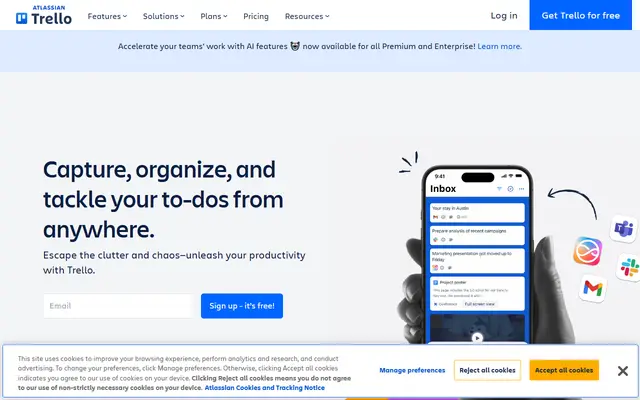
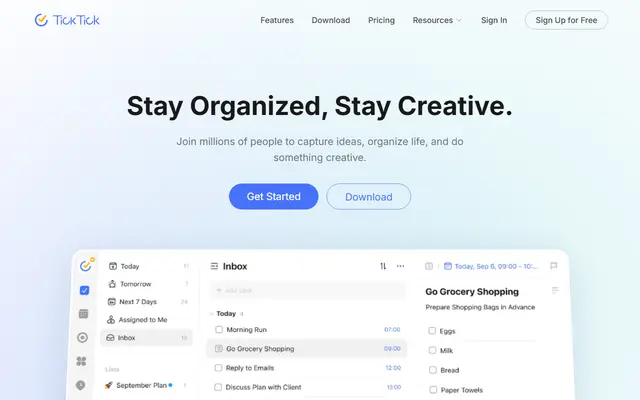
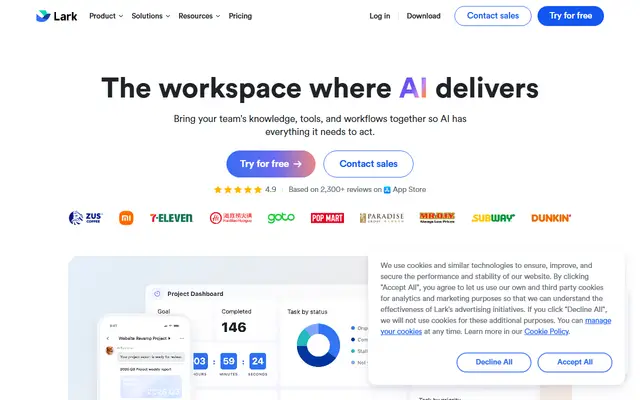
For small budgets or personal use, Trello is a simple kanban with a free plan, TickTick suits personal tasks, and Lark combines chat and documents with a free tier for up to 20 people. Zoho Projects is described as cheap and tied to the Zoho ecosystem, though unconfirmed in our review.
Teams that want to host the tool themselves can read about Plane, OpenProject, Taiga, Kanboard and Huly. Russian-speaking teams can see Yandex Tracker, Kaiten and YouGile, and large organisations tied to Microsoft can start with Microsoft Project. For deeper reading, see the Microsoft SharePoint page.
All 50 alternatives to ClickUp by type
Direct alternatives to ClickUp (14)
Products that solve the same core problem for the same kind of buyer. Switching usually means moving data and retraining people, not changing how you work. For ClickUp, this list contains 14 entries in this group, including Asana, monday.com, Notion, Smartsheet and Wrike. See all direct alternatives across every product →
Choosing among direct alternatives to ClickUp
Direct alternatives are full project platforms. Our data lists fourteen, twelve seen in search. Asana (2011, rank 1,117), monday.com (Israel, 2012), Notion (2016, rank 810), Smartsheet (2006), Wrike (2006), Jira (2002, Australia), Teamwork (Ireland, 2007), Linear, Shortcut (2014), ProofHub, SmartSuite and Hive were seen in search. Basecamp, described as simple and without overload, and Airtable, a database with views, are unconfirmed. Pick by the working style your team already shares, and see the direct hub. Ranks show how widely linked each domain is: Airtable has 1,048, monday.com 1,281, Smartsheet 2,397, Basecamp 2,974 (founded 2004), Wrike 5,842, Linear 11,276, Teamwork 16,681, ProofHub 25,452 and Hive 33,472. Run a pilot of two on one real project.
| Site | Name | Type | Founded | Majestic rank | Check |
|---|---|---|---|---|---|
| Asana | Direct | 2011 | #1,117 | seen in search |
| monday.com | Direct | 2012 | #1,281 | seen in search |
| Notion | Direct | 2016 | #810 | seen in search |
| Smartsheet | Direct | 2006 | #2,397 | seen in search |
| Wrike | Direct | 2006 | #5,842 | seen in search |
 | Jira | Direct | 2002 | #502 | seen in search |
 | Teamwork | Direct | 2007 | #16,681 | seen in search |
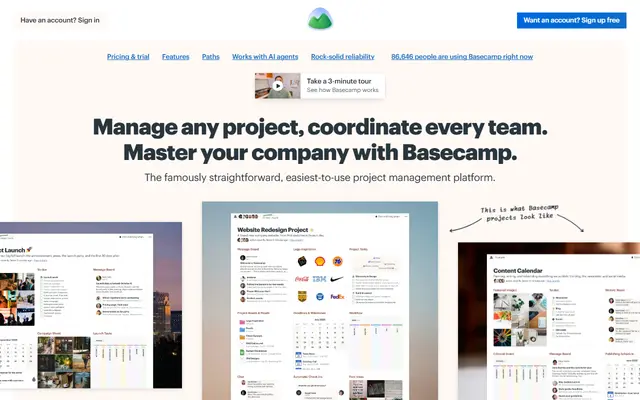 | Basecamp | Direct | 2004 | #2,974 | unconfirmed |
 | Airtable | Direct | 2012 | #1,048 | unconfirmed |
 | Linear | Direct | n/a | #11,276 | seen in search |
 | Shortcut | Direct | 2014 | #76,069 | seen in search |
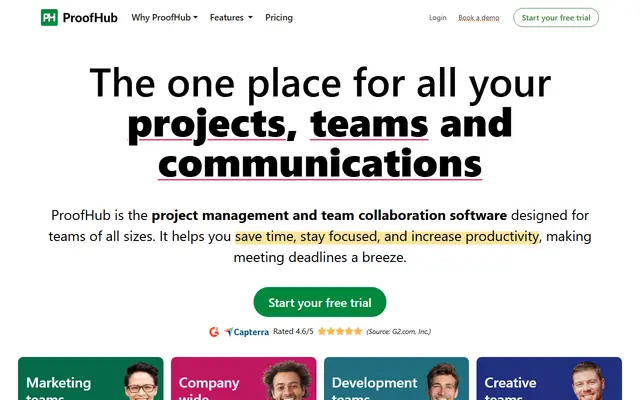 | ProofHub | Direct | n/a | #25,452 | seen in search |
 | SmartSuite | Direct | n/a | #124,245 | seen in search |
 | Hive | Direct | n/a | #33,472 | seen in search |
Budget-friendly alternatives to ClickUp (2)
Lower-cost tools that cover the essential jobs without the full feature surface. A good fit when you pay for seats or features you rarely open. For ClickUp, this list contains 2 entries in this group, including Zoho Projects and Productive. See all budget alternatives across every product →
Choosing among budget-friendly alternatives to ClickUp
Two budget options appear. Zoho Projects is described in our data as inexpensive and part of the Zoho ecosystem, with the company founded in 1996 in India, but we could not confirm it in our review. Productive was seen in search and is aimed at agencies, with time and budgets built in. Check how each counts seats and projects, since cheap entry plans can grow quickly. See the budget hub and the Zoho page. Zoho has a Majestic rank of 651 and Productive 66,715. Productive suits agency work with time and budgets, while Zoho Projects suits teams already using other Zoho products.
| Site | Name | Type | Founded | Majestic rank | Check |
|---|---|---|---|---|---|
 | Zoho Projects | Budget | n/a | n/a | unconfirmed |
 | Productive | Budget | n/a | #66,715 | seen in search |
Free options to ClickUp (3)
Tools with a free plan or free access that is usable on its own. Limits on volume, users or history usually apply, so check them before you commit. For ClickUp, this list contains 3 entries in this group, including Trello, TickTick and Lark. See all free alternatives across every product →
Choosing among free alternatives to ClickUp
Three entries have free plans, all seen in search. Trello is a simple kanban board (founded 2011), TickTick suits personal tasks, and Lark combines chat and documents, free for up to 20 people according to our data. Free tiers change, so confirm current limits on each vendor's site. They suit small teams and personal organising, and larger groups usually outgrow them. Browse the free hub for similar options. Trello has a Majestic rank of 642, Lark 16,779 and TickTick 31,738. Trello fits kanban fans, TickTick personal lists, and Lark teams that want chat and documents in the same place.
Enterprise-grade alternatives to ClickUp (1)
Platforms built for large teams: governance, audit trails, integrations and support contracts. They tend to cost more and take longer to roll out. For ClickUp, this list contains 1 entry in this group, including Microsoft Project. See all enterprise alternatives across every product →
Choosing among enterprise-grade alternatives to ClickUp
One enterprise entry appears: Microsoft Project, a classic for large projects, seen in search. The company dates from 1975 in our data. It suits organisations that plan large portfolios and already use Microsoft products. For the wider Microsoft setting, see the SharePoint page and the enterprise hub. Large portfolios call for resource planning, dependencies and reporting. Check how the product handles permissions across many teams, and ask whether it fits your existing licensing before you compare it with lighter tools in the direct group.
| Site | Name | Type | Founded | Majestic rank | Check |
|---|---|---|---|---|---|
 | Microsoft Project | Enterprise | 1975 | #9 | seen in search |
Open-source alternatives to ClickUp (13)
Projects whose source code is public. You can inspect, modify and often self-host them, at the price of doing more of the maintenance yourself. For ClickUp, this list contains 13 entries in this group, including Plane, OpenProject, Taiga, Leantime and AppFlowy. See all open source alternatives across every product →
Choosing among open-source alternatives to ClickUp
Thirteen open-source options are listed, eleven seen in search: Plane (AGPL, a Jira and Linear analogue), OpenProject (Gantt, budgets, time), Taiga (Scrum and kanban), Leantime (AGPL, for neurodivergent teams), AppFlowy, Kanboard (MIT, minimalist kanban), Huly, Focalboard, Kaneo, tududi and Docmost. Vikunja and Redmine are unconfirmed. Docmost is a wiki, not a tracker. See the open-source hub. OpenProject has a Majestic rank of 19,589, Taiga 32,144, Plane 66,258 and Kanboard 93,587, while Redmine, founded in 2006, sits at 4,780. Choose by method: Taiga for Scrum, Kanboard for plain kanban, OpenProject for Gantt and budgets, and Plane for a modern issue tracker. Budget for hosting, updates and backups.
| Site | Name | Type | Founded | Majestic rank | Check |
|---|---|---|---|---|---|
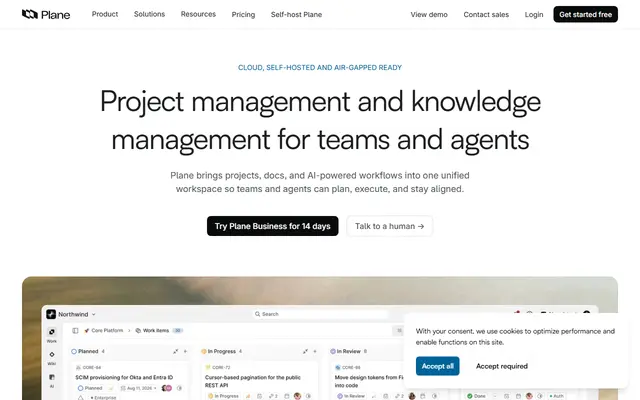 | Plane | Open source | n/a | #66,258 | seen in search |
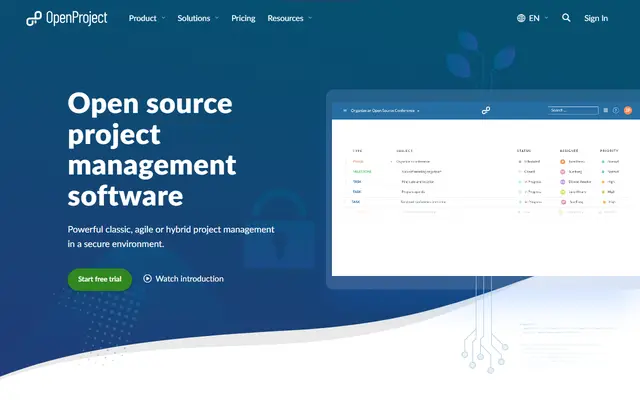 | OpenProject | Open source | n/a | #19,589 | seen in search |
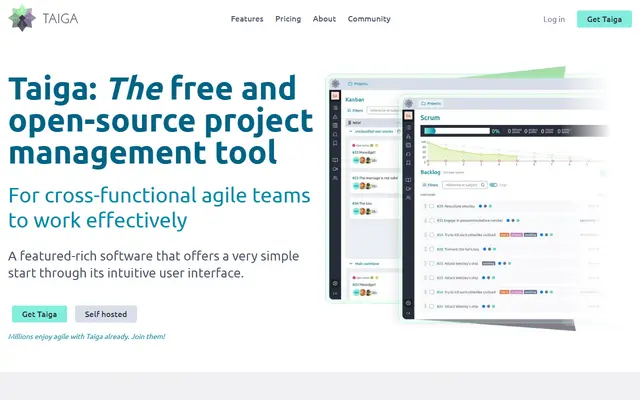 | Taiga | Open source | n/a | #32,144 | seen in search |
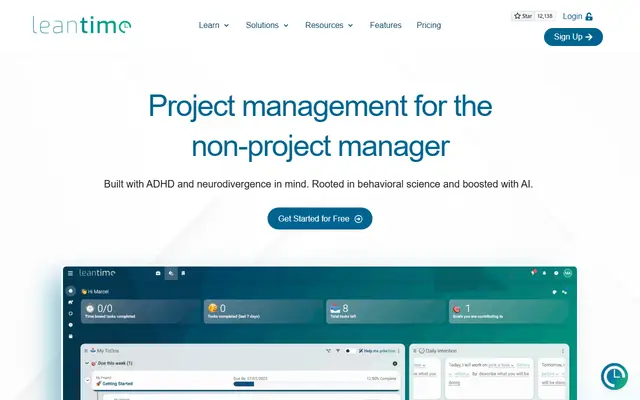 | Leantime | Open source | n/a | #255,798 | seen in search |
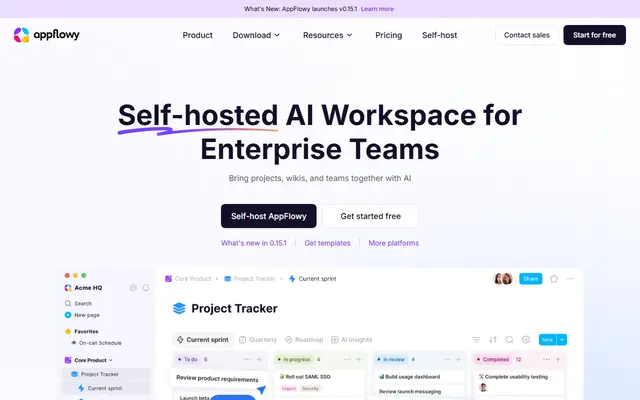 | AppFlowy | Open source | n/a | #138,986 | seen in search |
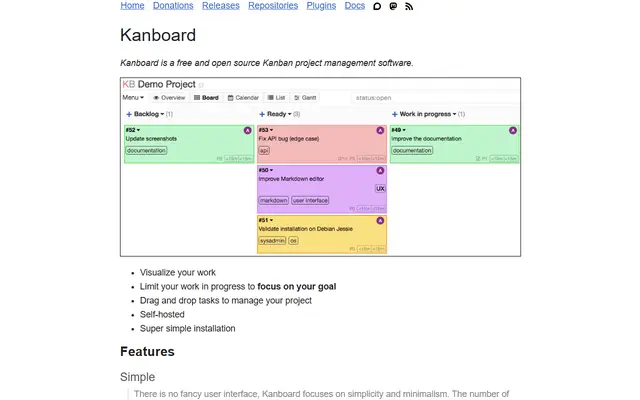 | Kanboard | Open source | n/a | #93,587 | seen in search |
 | Huly | Open source | n/a | #360,055 | seen in search |
| Focalboard | Open source | n/a | #307,255 | seen in search | |
| Kaneo | Open source | n/a | n/a | seen in search | |
| tududi | Open source | n/a | n/a | seen in search | |
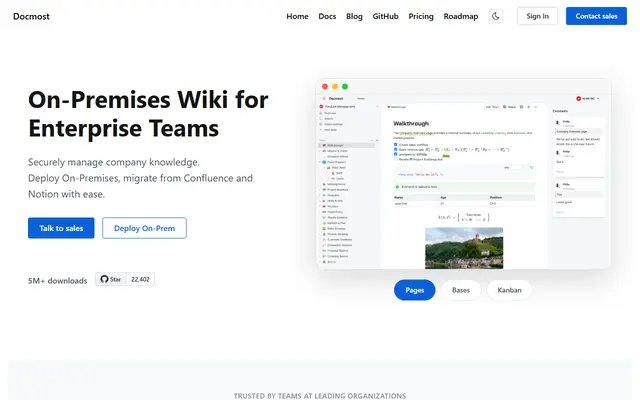 | Docmost | Open source | n/a | #201,716 | seen in search |
 | Vikunja | Open source | n/a | #86,351 | unconfirmed |
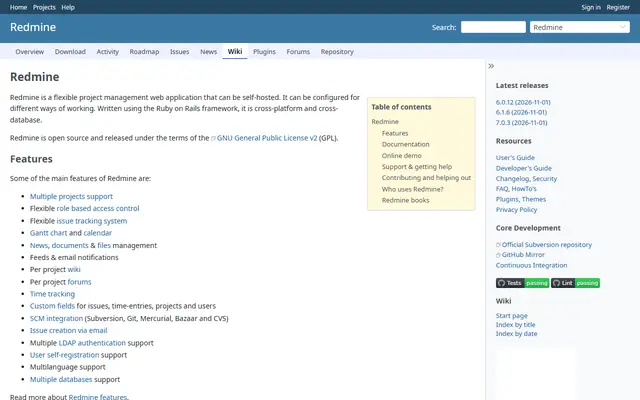 | Redmine | Open source | 2006 | #4,780 | unconfirmed |
Self-hosted alternatives to ClickUp (1)
Software you run on your own server or computer. You keep control of the data and the uptime, and you take on updates, backups and security. For ClickUp, this list contains 1 entry in this group, including Jira Data Center. See all self-hosted alternatives across every product →
Choosing among self-hosted alternatives to ClickUp
One self-hosted entry appears: Jira Data Center, which runs on your own server under an Atlassian licence. It is unconfirmed in our review, so check the vendor's current product line. Many open-source trackers can also run on your own hardware. See the self-hosted hub. Jira's Atlassian domain has a Majestic rank of 502, and the company was founded in 2002 in Australia. Self-hosted commercial software keeps data on your servers but ties you to licence terms, so compare it with the open-source group and ask about support, upgrades and how long editions stay available.
| Site | Name | Type | Founded | Majestic rank | Check |
|---|---|---|---|---|---|
| Jira Data Center | Self-hosted | 2002 | #502 | unconfirmed |
Regional and local alternatives to ClickUp (7)
Vendors that are strongest in a particular country or region: local languages, local payment methods, local data-residency rules and local support hours. For ClickUp, this list contains 7 entries in this group, including Yandex Tracker, Kaiten, YouGile, Bitrix24 and Teambition. See all regional alternatives across every product →
Choosing among regional alternatives to ClickUp
Seven regional tools are listed. Yandex Tracker belongs to the Yandex ecosystem. Kaiten offers kanban and Scrum with an on-premises option, YouGile is free up to 10 people, and Bitrix24 pairs tasks with CRM; all are from Russia. Teambition (China, from Alibaba), Backlog (Japan, from Nulab) and Jooto (Japan, kanban) are unconfirmed. See the regional hub. Bitrix24 was founded in 2012 and has a Majestic rank of 14,585, Backlog 50,437, Teambition 79,032, Kaiten 333,189, Jooto 337,523 and YouGile 467,189. Pick a regional tool when language, local hosting or ecosystem fit matters more than global reach, and check what support is offered outside the home country.
| Site | Name | Type | Founded | Majestic rank | Check |
|---|---|---|---|---|---|
| Yandex Tracker | Regional · Russia | n/a | n/a | seen in search | |
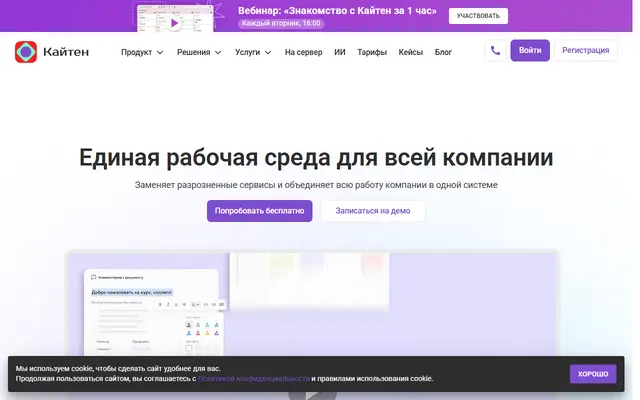 | Kaiten | Regional · Russia | n/a | #333,189 | seen in search |
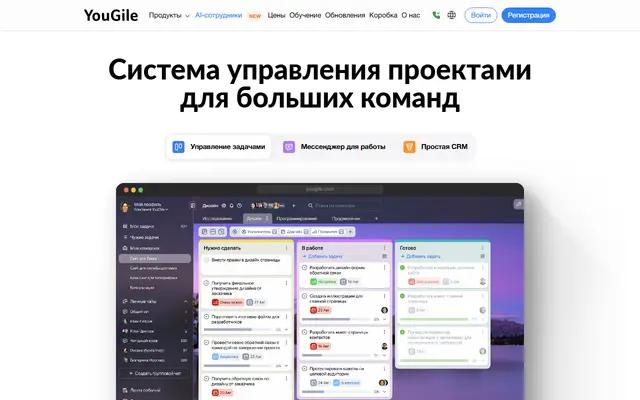 | YouGile | Regional · Russia | n/a | #467,189 | seen in search |
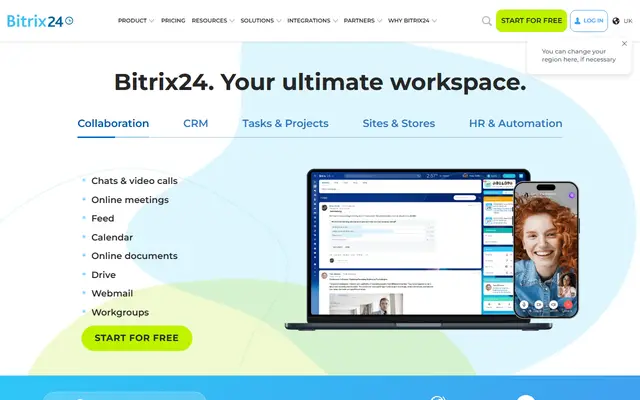 | Bitrix24 | Regional · Russia | 2012 | #14,585 | seen in search |
 | Teambition | Regional · China | n/a | #79,032 | unconfirmed |
 | Backlog | Regional · Japan | n/a | #50,437 | unconfirmed |
 | Jooto | Regional · Japan | n/a | #337,523 | unconfirmed |
Built-in features of platforms you already use to ClickUp (3)
Capabilities that already ship inside a suite or platform you pay for. They rarely match a specialist tool feature for feature, but they cost nothing extra. For ClickUp, this list contains 3 entries in this group, including Microsoft Planner, Microsoft Lists and Google Tasks. See all built-in alternatives across every product →
Choosing among built-in alternatives to ClickUp
Three built-in tools come with suites many teams already pay for: Microsoft Planner and Microsoft Lists (part of Microsoft 365) and Google Tasks (part of Google Workspace). All three are unconfirmed in our review. They are simple, so check limits on views and automation. See the built-in hub. These tools come at no extra licence for teams already on Microsoft 365 or Google Workspace, and they are the quickest to adopt. The limit is depth: expect fewer views and lighter automation than a dedicated platform. Try one for a small project before dropping it.
Adjacent tools to ClickUp (4)
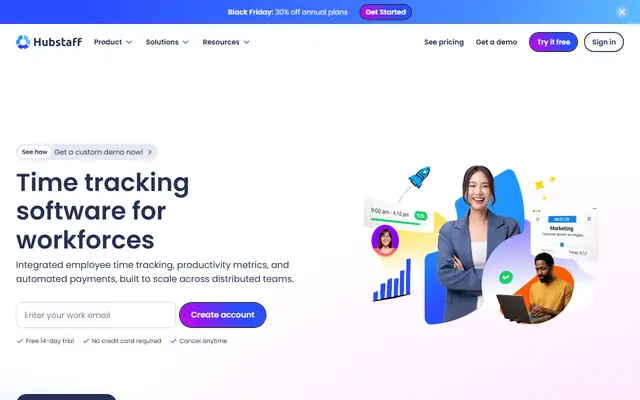
Products that cover part of the job or approach it from another angle. Useful when you only need a slice of the original product. For ClickUp, this list contains 4 entries in this group, including Toggl, Hubstaff, BigTime and Kanbanchi. See all adjacent alternatives across every product →
Choosing among adjacent alternatives to ClickUp
Four adjacent tools replace one part of the job. Toggl covers time tracking only, Hubstaff covers time tracking and monitoring, BigTime handles time and billing, and Kanbanchi puts kanban inside Google Workspace. All were seen in search. See the adjacent hub. Toggl is from Estonia (Majestic rank 5,215), Hubstaff from the United States (2012, 17,421), BigTime from 2002, and Kanbanchi has a Majestic rank of 498,131. These cover one slice, so pair them with a task tool. Decide which tool owns time data to avoid duplicate entry.
DIY and self-made approaches to ClickUp (2)
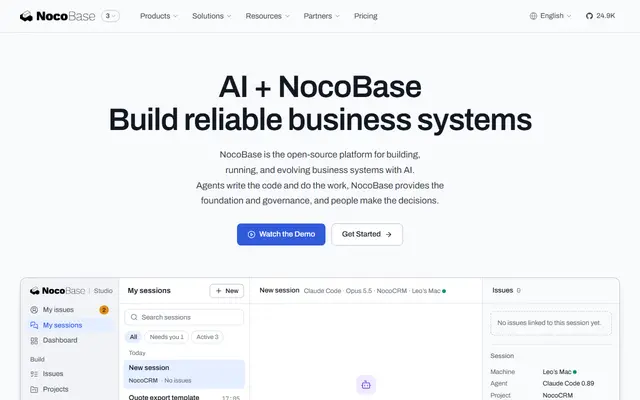
Spreadsheets, scripts and workflows you assemble yourself. Cheap and flexible for small needs, but they depend on whoever built them. For ClickUp, this list contains 2 entries in this group, including Google Sheets as a tracker and NocoBase. See all diy alternatives across every product →
Choosing among DIY alternatives to ClickUp
Two DIY routes appear: Google Sheets as a tracker, a manual task spreadsheet unconfirmed in our review, and NocoBase, a low-code platform for building your own tracker, seen in search. They give control and need discipline. See the DIY hub. A spreadsheet works for a handful of people with simple needs, and NocoBase (Majestic rank 248,444) suits teams that want to design their own data model. Both make you the maintainer, so name an owner and agree on conventions from the start.
Migration checklist: moving away from ClickUp
Moving a team between task tools is mostly a change-management job. Start by auditing what you actually use: spaces, lists, custom fields, automations and templates. Many teams find that half of their setup is unused, and a move is a good moment to simplify. Export everything you can while your plan is active, and keep copies in a neutral place.
Pilot the new tool with one team on live work for a few weeks before moving everyone. Expect task history, comments and attachments to import differently from tool to tool, and decide what you will archive instead of migrate. Agree on naming rules and a simple structure first.
- Export tasks, comments, attachments, custom fields and time entries where possible.
- List automations, templates and recurring tasks so you can rebuild them.
- Map statuses, priorities and tags to the new tool's equivalents.
- Record integrations with chat, calendars, code repositories and file storage.
- Pilot with one team on live work before moving everyone.
- Decide which old tasks are archived rather than imported.
- Train people and publish a short guide to the new setup.
- Keep the old workspace read-only until the new one is stable.
Mistakes to avoid when switching
The most common error is recreating a complicated old setup in a new tool. Each product has its own logic, and copying every field and status invites the same clutter. Another is choosing by feature list instead of daily views, or moving during a deadline. Do not rely on unconfirmed entries without testing them. For a related comparison, see the monday.com page.
- Copying every old field and status into the new tool.
- Choosing by feature count instead of the views your team uses.
- Switching in the middle of a deadline.
- Skipping export of comments and attachments.
- Ignoring how guests and clients are counted.
- Relying on an unconfirmed entry without a pilot.
What the public data says about these alternatives
Our data contains 50 alternatives: 37 seen in search and 13 unconfirmed. By type, the largest groups are direct (14), open-source (13) and regional (7), followed by adjacent (4), free (3), built-in (3), budget (2), DIY (2), enterprise (1) and self-hosted (1). ClickUp was founded in 2016 with a Majestic rank of 2,241. Among alternatives, Microsoft's domain ranks 9, Jira's Atlassian domain 502, Trello 642, Notion 810 and Asana 1,117. The oldest founding years are Microsoft Project in 1975 and Jira in 2002, and the open-source group has much smaller ranks, such as Leantime at 255,798. Countries appear for regional entries: Russia four times, Japan twice, China once. Treat these as signals only. See the methodology page.
Frequently asked questions
What is the best free alternative to ClickUp?
Our data lists Trello, TickTick and Lark as free-entry options, all seen in search. Lark is noted as free for up to 20 people, and YouGile as free for up to 10. Free terms change, so confirm limits on the vendor's site. Check seats and limits first.
Is there an open-source alternative to ClickUp?
Yes. Plane, OpenProject, Taiga, Leantime, AppFlowy, Kanboard, Huly, Focalboard, Kaneo, tududi and Docmost were seen in search, with Vikunja and Redmine unconfirmed. Docmost is a wiki rather than a tracker. They need hosting and upkeep. They need hosting, updates and backups from you. Check each project's licence.
Which ClickUp alternative is closest in scope?
The direct group is nearest. Asana, monday.com, Notion, Smartsheet, Wrike, Jira and Teamwork were all seen in search, along with Linear, Shortcut, ProofHub, SmartSuite and Hive. Choose by working style and test on one real project. Compare pricing and limits yourself. Start with a short trial.
Which alternatives suit software teams?
Our data notes Jira for development and agile work, Linear as a fast tracker for development, and Shortcut for product teams. Open-source Plane is described as a Jira and Linear analogue under the AGPL licence, and Taiga covers Scrum and kanban. Pilot with your own workflow first.
Which alternatives suit agencies?
Teamwork is noted for agencies and clients, and Productive for agencies with time and budgets. Time-tracking tools such as Toggl, Hubstaff and BigTime appear as adjacent options. Check how each handles client access and billing. Compare client seat rules too. Test the guest view. Compare billing.
Can I host my own project tool?
Yes. Jira Data Center runs on your own server, and open-source choices such as Plane, OpenProject, Taiga and Kanboard can be hosted by you. Kaiten also has an on-premises option. You become responsible for backups and updates. Plan for backups and upgrades. Test restores. Plan upgrades.
Are there alternatives for Russian or Japanese teams?
Yes. Yandex Tracker, Kaiten, YouGile and Bitrix24 come from Russia. Backlog from Nulab and Jooto come from Japan but are unconfirmed in our review, as is Teambition from China. Check language support and local data rules. Ask vendors about local support. Verify hosting terms. Compare support hours.
What should I export before switching?
Export tasks, comments, attachments, custom fields and time entries, and save automation and template details. We do not verify export features, so confirm what your plan allows, keep copies outside the tool and run a pilot before moving everyone. Keep a read-only copy of the old workspace for a while.
Bottom line
ClickUp is one of many platforms that try to cover all kinds of work, and nothing in our public data suggests it is going away. The reasons to look elsewhere are specific: a simpler board, a developer-first tracker, an agency tool, a free plan or a self-hosted setup. Match the type to the reason.
A practical shortlist has three entries: one direct platform such as Asana, monday.com or Notion, one simpler or cheaper option such as Trello or Zoho Projects, and one open-source or built-in route if hosting or existing suites matter. Pilot with a real team and check current plans yourself. Continue with the documents and productivity category or the monday.com page.
More alternatives pages related to ClickUp
Where ClickUp shows up as an alternative
ClickUp appears in the alternatives lists of 1 other product: monday.com. Comparing those lists shows which tools keep being recommended across the whole category.
Explore more in Documents, Projects & Productivity
E-signature, proposals, project management, intranets and surveys. Browse the full Documents, Projects & Productivity hub, or jump to a related comparison: Qualtrics, monday.com, DocuSign.