Lead intelligence and prospecting alternatives, compared by type
Lead intelligence is the part of sales technology that answers three questions before a rep sends a single message: who should we contact, how do we reach them, and is now a good moment. The category mixes several kinds of product. Some sell databases of business contacts, some identify companies visiting your website, some enrich the records you already hold, and some automate the outreach that follows. This hub collects our guides for seven well-known products across those jobs.
The guides are for ZoomInfo, Apollo.io, Lusha, Cognism, Clearbit, lemlist and Leadfeeder, and together they contain 350 entries, each sorted into one of ten types. Several names recur across guides, which is itself a signal. Kaspr, Reply.io, UpLead, Snov.io and PhantomBuster each appear in six of the seven, and Clay, Freshsales and Apollo.io are close behind. When people from different starting points look for a replacement, they keep arriving at the same short list.
Everything on these pages is based on public sources reviewed in November 2026. We did not test products, and we do not quote prices, credit limits or data accuracy, since none of those belong to our data. Contact data is also personal data, so rules on consent and legitimate interest depend on your country; this is general information, not legal advice. Our methodology page explains the sources, and each product guide marks which entries we could confirm in search.
- Direct: 58 (29%)
- Budget: 9 (5%)
- Free: 4 (2%)
- Enterprise: 19 (10%)
- Open source: 19 (10%)
- Self-hosted: 4 (2%)
- Regional: 30 (15%)
- Built-in: 23 (12%)
- Adjacent: 25 (13%)
- DIY: 9 (5%)
Lead Intelligence & Prospecting guides: pick the product you want to replace
What lead intelligence and prospecting covers
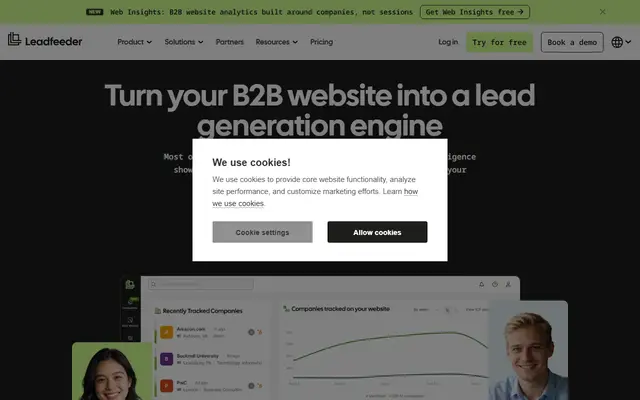
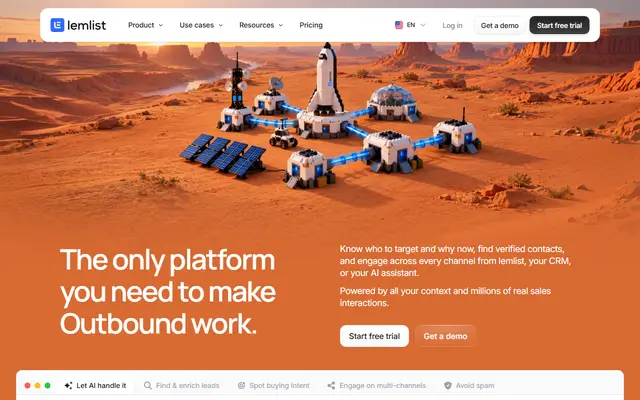
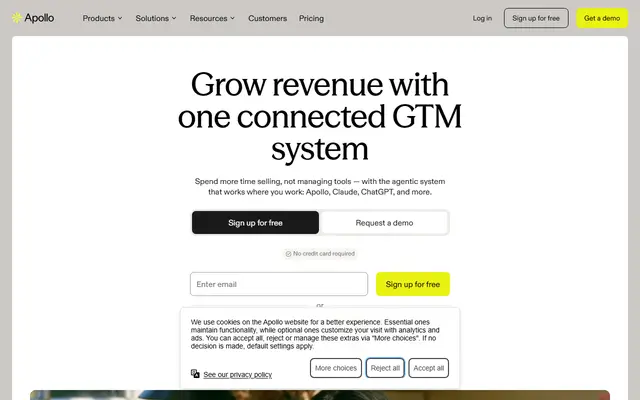
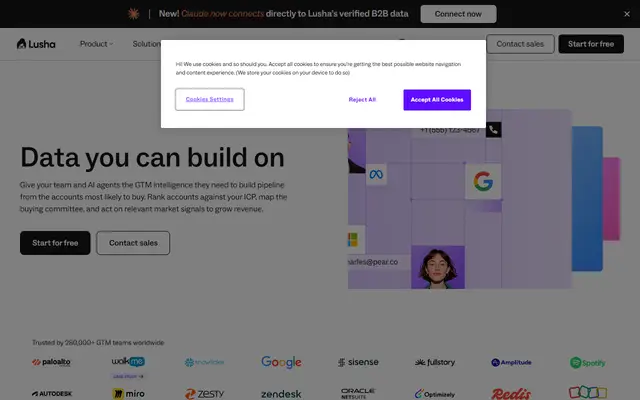
Four jobs sit under this label. The first is contact data: databases that return business emails, phone numbers and job titles, such as ZoomInfo, Apollo.io, Lusha and Cognism. The second is enrichment, where a tool fills gaps in your own records with company and person attributes, which is how our data describes Clearbit. The third is visitor identification, which tries to tell you which companies are reading your website, the territory of Leadfeeder. The fourth is outreach automation, where lemlist and its peers send and schedule sequences of messages.
The groups in our data show how the market is structured. Direct alternatives are by far the largest group at 58 entries, followed by adjacent products (56), regional specialists (51), enterprise-grade platforms (32), built-in options inside CRMs (30) and budget-friendly tools (29). Open-source projects number 23, do-it-yourself approaches 17, free tools 6 and self-hosted software 4. The adjacent count is high because prospecting overlaps with sales engagement, intent data, scraping and CRM features.
The products also differ in origin. ZoomInfo was founded in 2000 in the United States and Apollo.io in 2015 in the United States, Lusha in 2016 in Israel and lemlist in 2018 in France, while Cognism is described as a United Kingdom company. Where a vendor is based can matter for data protection and for how well its database covers your target countries, which is why the regional alternatives page matters in this category.
How to choose a lead intelligence alternative
Begin with the market you sell into. A database that is strong for United States technology companies may be thin for German manufacturing or Japanese retail, and the only way to know is to sample your own target list. Ask any shortlisted vendor to show how many of a test set of fifty companies return a named contact with a reachable email, and compare that across two or three candidates before you compare anything else.
Next, separate the data from the workflow. Some teams only need a browser extension that finds an email while they browse a profile; others need a platform that scores accounts, syncs to the CRM and feeds a sequence tool. Paying for a full platform to use a lookup widget is a common waste, and so is buying a lookup widget and then trying to run an account-based programme on it. Our guides to enterprise-grade options and budget-friendly options mark that split.
Last, treat compliance as a selection criterion. Ask where the data comes from, how opt-outs are handled and whether the vendor documents its approach for the countries you contact. These are the criteria worth weighing:
- Coverage: does the database cover your countries, industries and seniority levels, tested on your own sample?
- Contact accuracy: check bounce rates and how the vendor treats stale records.
- Workflow fit: browser extension, CRM sync, API or bulk export, depending on how your team works.
- Compliance: consent, opt-out handling and regional rules such as GDPR for European contacts.
- Credits and limits: understand how lookups, exports and seats are counted before comparing plan names.
- Integrations: CRM, sequencing tool and data warehouse connections decide how much manual work remains.
- Exit terms: confirm you can export your enriched records if you leave.
Why teams look for replacements
Cost and contract structure come first. Enterprise data platforms are typically sold on annual contracts, and smaller teams look for tools they can start and stop more flexibly. Our ZoomInfo guide lists Hunter.io, Snov.io, Skrapp, FindThatLead and Anymail Finder as lower-cost routes, and the Apollo.io and Lusha guides name Skrapp.io, Findymail and Tomba for similar reasons.
Coverage is the second driver. European teams look to Cognism, Kaspr, Dealfront and Dropcontact, while buyers elsewhere compare regional databases such as Kompass and Vainu. The third driver is a change in the product itself. Clearbit now appears in our data as Breeze Intelligence inside HubSpot, so existing users and people who relied on the standalone product look for options such as Apollo.io, Clay, People Data Labs and Hunter.
A fourth reason is a shift from buying lists to building them. Teams use PhantomBuster, Apify and n8n to assemble their own pipelines, or Clay to combine several data sources in one workflow. That trade swaps licence cost for engineering time and legal care, and it is only sensible when someone owns the result. The DIY alternatives hub describes the trade-offs in more detail.
About ZoomInfo alternatives
ZoomInfo was founded in 2000 in the United States and holds a Majestic rank of 4059 in our data. Its guide lists 50 alternatives, with an unusually large adjacent group of 17 that includes Crunchbase, PitchBook, Owler and People Data Labs. Direct names include Apollo.io, Cognism, Lusha, UpLead and Seamless.AI, while Hunter.io and Snov.io lead the budget group and 6sense and Demandbase the enterprise group. See the full ZoomInfo alternatives guide for each type.
About Apollo.io alternatives
Apollo.io was founded in 2015 in the United States and combines a contact database with outreach features. Our guide lists 50 alternatives, led by Lusha, UpLead, Seamless.AI, RocketReach and Lead411 among direct options. Skrapp.io and Findymail appear as budget tools, ZoomInfo and Cognism as enterprise-grade choices, and Kaspr, Dropcontact and Snov.io as regional or specialist tools. Developers will find Apify and n8n as DIY routes. Read the full Apollo.io alternatives page to compare them by type.
About Lusha alternatives
Lusha is an Israeli company founded in 2016 and listed in our data with about 400 employees. Its guide covers 50 alternatives, with Apollo.io, UpLead, Seamless.AI, RocketReach and Lead411 as direct options and SalesQL as a free entry. ZoomInfo and Cognism are the enterprise-grade names, and Kaspr and Dropcontact are regional or specialist options. Built-in lead tools inside HubSpot, Zoho CRM, Pipedrive and Freshsales are listed too. The Lusha alternatives page sorts all of them by type.
About Cognism alternatives
Cognism is described in our data as a United Kingdom provider of sales intelligence, and it is a frequent shortlist name for European outreach. Its guide lists 50 alternatives. ZoomInfo, Apollo.io, Seamless.AI and UpLead are the leading direct options, while Findymail is a confirmed budget pick, and Kaspr and Dealfront stand out among regional tools. Account-level intent vendors such as 6sense and Demandbase appear in the enterprise group. Continue with the Cognism alternatives page for the complete picture.
About Clearbit alternatives
Clearbit is best known for enrichment, filling in company and person details on records you already hold. Our guide lists 50 alternatives. Direct options include Apollo.io, ZoomInfo, Clay, People Data Labs and Hunter, and free entries include Logo.dev. Open-source readers will find Firecrawl and Fire Enrich, and adjacent entries include Factors.ai and Abmatic AI. Several budget and regional entries, such as Skrapp.io and Kaspr, are not confirmed in our search review. See the full Clearbit alternatives page for the grouping.
About lemlist alternatives
lemlist is a cold email and outreach platform founded in 2018 in France. The guide covers 50 alternatives, and 16 of them are direct, including Instantly, Smartlead, Reply.io, Mailshake and Pipl.ai. GMass is the budget entry, Salesloft is among the enterprise-grade names, and Woodpecker and Snov.io lead the regional group. Open-source and self-hosted options include Listmonk, Sendy and MailWizz, which overlap with the email marketing hub. The lemlist alternatives page has the rest.
About Leadfeeder alternatives
Leadfeeder belongs to the website visitor identification corner of the category. Its guide lists 50 alternatives, with Lead Forensics, RB2B, Warmly and Vector among direct options and Happierleads as a budget pick. Regional entries include Leadinfo, Snitcher and Albacross, while open-source analytics such as Matomo, PostHog and Plausible appear as alternatives that are not confirmed in our search review. Enterprise-grade names include 6sense and ZoomInfo. Open the Leadfeeder alternatives page for details.
Tools that keep showing up across lead intelligence lists
When the same name appears in several alternatives lists, it is a useful signal that the tool is broadly relevant in this category. These are the names that appear most often across the 4 guides above:
- Freshsales — listed in 4 guides
- Clay — listed in 4 guides
- Reply.io — listed in 4 guides
- ZoomInfo — listed in 3 guides
- Cognism — listed in 3 guides
- Ampliz — listed in 3 guides
- Kaspr — listed in 3 guides
- HubSpot — listed in 3 guides
- Apollo.io — listed in 3 guides
- UpLead — listed in 3 guides
- Instantly — listed in 3 guides
- OpenOutreach — listed in 3 guides
- Snov.io — listed in 3 guides
- PhantomBuster — listed in 3 guides
- n8n — listed in 3 guides
- 6sense — listed in 2 guides
- Demandbase — listed in 2 guides
- Mautic — listed in 2 guides
- Lusha — listed in 2 guides
- Smartlead — listed in 2 guides
- Outreach — listed in 2 guides
- Seamless.AI — listed in 2 guides
- RocketReach — listed in 2 guides
- Lead411 — listed in 2 guides
Browse lead intelligence alternatives by type
- Direct alternatives: 58 in this category. Products that solve the same core problem for the same kind of buyer. Switching usually means moving data and retraining people, not changing how you work.
- Budget-friendly alternatives: 9 in this category. Lower-cost tools that cover the essential jobs without the full feature surface. A good fit when you pay for seats or features you rarely open.
- Free options: 4 in this category. Tools with a free plan or free access that is usable on its own. Limits on volume, users or history usually apply, so check them before you commit.
- Enterprise-grade alternatives: 19 in this category. Platforms built for large teams: governance, audit trails, integrations and support contracts. They tend to cost more and take longer to roll out.
- Open-source alternatives: 19 in this category. Projects whose source code is public. You can inspect, modify and often self-host them, at the price of doing more of the maintenance yourself.
- Self-hosted alternatives: 4 in this category. Software you run on your own server or computer. You keep control of the data and the uptime, and you take on updates, backups and security.
- Regional and local alternatives: 30 in this category. Vendors that are strongest in a particular country or region: local languages, local payment methods, local data-residency rules and local support hours.
- Built-in features of platforms you already use: 23 in this category. Capabilities that already ship inside a suite or platform you pay for. They rarely match a specialist tool feature for feature, but they cost nothing extra.
- Adjacent tools: 25 in this category. Products that cover part of the job or approach it from another angle. Useful when you only need a slice of the original product.
- DIY and self-made approaches: 9 in this category. Spreadsheets, scripts and workflows you assemble yourself. Cheap and flexible for small needs, but they depend on whoever built them.
How the ten types work in prospecting
Direct alternatives are other contact databases and prospecting platforms, and in this category they are the first place to look when your complaint is price or accuracy. Budget-friendly and free tools are mostly lookup widgets and email finders, useful for a small volume of contacts. Enterprise-grade platforms add account scoring, intent data and governance, and they are bought through sales conversations.
Regional alternatives matter more here than in many categories because contact coverage is geographic. Built-in options live inside CRMs and add basic enrichment to a system you already own. Adjacent products include company databases, intent vendors and engagement tools. Open-source, self-hosted and DIY routes give you control and put compliance, data sourcing and maintenance in your hands. The open-source and adjacent hubs show related products from other categories.
Pitfalls when switching prospecting tools
The most common error is judging a database by its size rather than by the hit rate on your own target list. A second is forgetting that bought or scraped contact data carries obligations: consent, opt-out and storage rules apply to the person you contact, whichever tool found them. A third is moving sequences and data at the same time, which makes it hard to tell whether results changed because of the data or because of the new messaging tool.
- Comparing vendors on database size instead of a hit-rate test with fifty of your own accounts.
- Assuming credits or lookups translate one to one between products.
- Scraping profile data without checking platform rules and local data-protection law.
- Ignoring bounce handling and sender reputation when you add a new outreach tool.
- Relying on unconfirmed entries without confirming that the product still operates.
- Leaving enrichment jobs running in the old tool after the switch, so two systems overwrite each other.
Frequently asked questions
What is the best free alternative to ZoomInfo?
True free replacements are limited. Our data lists Hunter.io, Snov.io, Skrapp and FindThatLead as lower-cost contact finders, and SalesQL and AeroLeads as free entries in the Lusha guide. Free tiers usually cap lookups, so test whether the limit fits your volume and check current terms on each vendor site.
Which tools replace Clearbit enrichment?
Our Clearbit guide names Apollo.io, ZoomInfo, Clay, People Data Labs and Hunter as direct options, with Firecrawl-based Fire Enrich as an open-source route. Clearbit also appears in our data as Breeze Intelligence inside HubSpot. Compare how each product delivers data: API, spreadsheet-style workflow or CRM sync.
What are good European alternatives to Cognism?
Our data lists Kaspr, Dealfront, Dropcontact, Ocean.io and Kompass as regional or specialist options in the Cognism guide, though several are not confirmed in our search review. Check coverage for your exact countries, and ask how each vendor documents consent and opt-outs under European rules.
Which Apollo.io alternatives are cheapest?
The budget group in our Apollo.io guide includes Skrapp.io, Findymail and Tomba, and SalesQL appears as a free entry. We do not list prices, and credit systems differ. Compare the cost per usable contact on a test sample rather than comparing headline plan prices.
What can replace lemlist for cold email?
The lemlist guide lists Instantly, Smartlead, Reply.io, Mailshake and Pipl.ai as direct options, GMass as a budget tool, and Woodpecker and Snov.io as regional ones. Open-source tools such as Listmonk exist but are built for newsletters rather than sales sequences. Mind deliverability and consent whichever you choose.
How do I identify website visitors without Leadfeeder?
Direct options in our data are Lead Forensics, RB2B, Warmly and Vector, with Leadinfo, Snitcher and Albacross as regional tools. Analytics platforms such as Matomo or PostHog are listed too but do not identify companies on their own. Visitor identification is regulated in many countries, so check local rules.
Is scraping a legitimate DIY alternative?
It can be, but it carries legal and technical risk. Our data lists Apify, PhantomBuster and n8n as DIY building blocks. Platform terms, consent rules and data-protection law all apply to what you collect and how you use it. This is general information, not legal advice, and rules depend on the country.
Do CRM-built-in tools replace a prospecting database?
For basic enrichment they can. Our guides list built-in options in HubSpot, Zoho CRM, Pipedrive, Freshsales and Salesforce, including HubSpot Breeze Intelligence. They rarely match a dedicated database for depth of coverage, so test them on your own list before cancelling a data subscription. See the CRM and sales hub for the CRM side.
Other categories
- CRM & Sales SoftwarePipeline management, customer records and sales automation.
- Email Marketing & DeliveryNewsletters, automation, transactional email and sending infrastructure.
- SEO & Search ToolsKeyword research, rank tracking, audits and content optimization.
- Marketing Analytics & TrackingWeb analytics, reporting dashboards, click-fraud protection and tag management.
- Social, Influencer & Affiliate MarketingSocial media management, influencer marketplaces and partner programs.
- Customer Support & MessagingHelp desks, shared inboxes, live chat and messaging platforms.
- IT Management & MonitoringService management, infrastructure monitoring, device management and remote access.
- Cloud, Hosting & InfrastructureVirtual servers, hosting providers, virtualization and edge networks.
- Payments, Spend & CryptoPayment processing, corporate cards, expense management and exchanges.
- Accounting & ERP SoftwareBookkeeping, invoicing and small-business ERP.
- HR & Global HiringHR information systems, employer-of-record and global payroll.
- Telephony, Video & CommunicationsCloud phone systems, contact centers, CPaaS and video hosting.
- Documents, Projects & ProductivityE-signature, proposals, project management, intranets and surveys.
- Data, Proxies & UtilitiesWeb data collection, proxy networks and system utilities.
- Everyday AlternativesAlternatives for fitness, cooking, car parts and legal streaming.
- Personal Finance & InvestingAlternatives to traditional student loans, investing platforms and credit scoring. General information only.