Google Keyword Planner alternatives: 37 keyword research options by type
Google Keyword Planner is the keyword research tool that lives inside Google Ads, which is why our data lists its domain as ads.google.com. Many people first meet keyword data there because it comes straight from the search engine. The same strength creates the usual complaints: it is designed around advertising, it needs an ads account, and it is not built as a general research workspace.
This page collects 37 alternatives and sorts them into ten types: direct competitors, budget-friendly tools, free options, enterprise-grade platforms, open-source projects, self-hosted software, regional specialists, built-in search-engine tools, adjacent products and do-it-yourself scripts. The biggest groups are direct and regional with six entries each, then budget and enterprise with five. Each type answers a different reason for looking beyond the Planner.
Everything is based on public sources reviewed in November 2026. We did not run hands-on trials and we list no prices or feature tables, because they change and are not part of our data. The entries on this page carry no per-product confirmation flag in our data, so we do not say which ones were seen in search; check each vendor directly before you commit. The wider SEO tools category shows how these tools relate to each other.
Google Keyword Planner is available at ads.google.com.
This page lists 37 alternatives to Google Keyword Planner, spread across 10 types: direct (6), budget (5), free (4), enterprise (5), open source (1), self-hosted (1), regional (6), built-in (4), adjacent (3), diy (2).
37 of the 37 entries were seen in live web search results during our November 2026 review; the remaining entries are labelled unconfirmed so you know where extra checking is needed.
Regional options cover Russia, South Korea, China.
- Direct: 6 (16%)
- Budget: 5 (14%)
- Free: 4 (11%)
- Enterprise: 5 (14%)
- Open source: 1 (3%)
- Self-hosted: 1 (3%)
- Regional: 6 (16%)
- Built-in: 4 (11%)
- Adjacent: 3 (8%)
- DIY: 2 (5%)
37 of 37 entries (100%) were seen in live search results during our review; the rest are labelled “unconfirmed” and should be checked on the vendor site.
Quick comparison: the closest alternatives to Google Keyword Planner
| Site | Name | Type | Founded | Majestic rank | Check |
|---|---|---|---|---|---|
 | Keyword Tool | Direct | n/a | #7,976 | seen in search |
 | Moz Keyword Explorer | Direct | 2004 | #848 | seen in search |
 | Twinword | Direct | n/a | #328,255 | seen in search |
| Keyword Surfer | Direct | n/a | n/a | seen in search | |
 | Serpstat | Direct | 2013 | #17,519 | seen in search |
What is Google Keyword Planner and why do people look for alternatives?
Keyword Planner is the research feature of Google Ads. You enter seed terms or a website and it suggests related keywords with search volume ranges and forecasts, mainly to help plan paid campaigns. Our data records only its domain, ads.google.com, and no founding year, headquarters or ranking, so we describe it by what it does in general terms: a first-party tool from the search engine itself.
People look for alternatives for several repeating reasons. The first is purpose. A planner built for advertisers answers questions about paid campaigns, while an SEO or content writer wants question phrases, difficulty indicators, competitor pages and ranking positions. The second is access: using it means working inside an ads account, and some people would rather have a stand-alone login. The third is presentation. Volume shown as a range and no built-in view of competing pages leaves gaps for people who must prioritise hundreds of terms.
Other motives are practical. Writers want a free tool that suggests questions people ask. Agencies want reports they can hand to clients. Teams that work in China, South Korea or Russia want data from local engines such as Baidu, Naver or Yandex. Developers want an API and a database rather than a screen.
The sections below explain how we compiled the list, how to choose between types and what to watch during a move. If you are comparing paid suites, the pages for Semrush and Ahrefs cover the larger platforms that include keyword research as one module.
How we built this list
The list was compiled in November 2026 from public sources only: the Majestic Million for domain prominence, the Tranco list, Wikidata for founding years and headquarters, and a review of public web search results. Licences and limits are described on the methodology page.
Directory entries usually carry one of two statuses. Seen in search means we found a product presented as an alternative in public results. Unconfirmed means it is in our source data but we could not match it in that review. For this page the entries have no such flag, so treat all 37 as leads to verify rather than confirmed picks.
We sort entries into types because the word alternative hides large differences. A free question tool, a Python script and an enterprise suite all answer the same question, but not in the same way. Start with the hubs for direct alternatives and free alternatives. We do not rank by quality or accept payment for inclusion.
How to choose a Google Keyword Planner alternative
Begin with the job. If you plan paid search, a tool with data from the search engine may still be the right base and you only need extras around it. If you write content, you probably want question phrases, related topics and some sense of competition. If you run an SEO programme, you need keyword lists tied to rankings and competitor pages, which points to a full suite.
Next, think about where the numbers come from. Some tools rely on search engine data directly, others on clickstream panels, autocomplete scraping or third-party data providers, and each method has different gaps. Two tools showing different volumes for the same phrase is normal. Judge them on consistency and on how well the ranking order matches your own site results, not on a single figure.
Finally consider who will use the output and where it goes. A solo writer needs a cheap browser extension or a free tool. An agency needs exports and shared projects. An in-house team may need an API. Our guides for enterprise-grade options and regional options help if scale or a non-Google market drives the decision. Weigh these criteria:
- Purpose: paid campaign planning, content ideas, competitor research and rank tracking need different tools.
- Data source: check whether volumes come from the search engine, a panel or scraped suggestions, and how often they refresh.
- Markets: confirm coverage for your countries, languages and search engines, not only Google in one market.
- Question and long-tail discovery: look for suggestion depth if you write articles or answer pages.
- Export and API: CSV downloads and programmatic access matter once lists exceed a few hundred terms.
- Limits: free and cheap plans usually cap daily searches, saved lists or users.
- Account friction: note whether you need an ads account, a browser extension or a separate subscription.
Quick picks by situation
For the closest like-for-like swap, begin with the direct group: Keyword Tool, Moz Keyword Explorer, Serpstat, Twinword, Keyword Surfer and SECockpit. Moz Keyword Explorer belongs to the Moz Pro family, which is useful if you want research and tracking together.
If budget is the main limit, Ubersuggest, KWFinder from Mangools, WordStream Free Keyword Tool, Keywords Everywhere and Keyworda are listed as budget options. If you want nothing to pay, Keyword Sheeter, Keyworddit, QuestionDB and AlsoAsked are free entries focused on questions and suggestions.
Bigger programmes should look at Semrush, Ahrefs, Conductor, BrightEdge and DataForSEO. For search-engine data on your own site, use the built-in group: Google Search Console, Google Trends, Google Suggest and Bing Webmaster Tools. Teams in Russia can use Yandex Wordstat and Topvisor, in South Korea the Naver keyword tool, and in China Baidu Index, Baidu Webmaster Tools or Dragon Metrics. Developers might combine SerpApi, Apify or a Python script with pytrends.
All 37 alternatives to Google Keyword Planner by type
Direct alternatives to Google Keyword Planner (6)
Products that solve the same core problem for the same kind of buyer. Switching usually means moving data and retraining people, not changing how you work. For Google Keyword Planner, this list contains 6 entries in this group, including Keyword Tool, Moz Keyword Explorer, Twinword, Keyword Surfer and Serpstat. See all direct alternatives across every product →
Choosing among direct alternatives to Google Keyword Planner
Direct alternatives are dedicated keyword research tools. Our data lists six: Keyword Tool (Majestic rank 7976), Moz Keyword Explorer (Moz was founded in 2004 in the United States), Twinword (South Korea), Keyword Surfer, Serpstat (founded 2013, Ukraine) and SECockpit.
Compare them on suggestion volume, filters and how results can be exported. The choice often comes down to whether you want a stand-alone research tool or one module of a broader suite. See the direct alternatives hub for the type across categories and the Moz Pro page for that vendor's wider range.
| Site | Name | Type | Founded | Majestic rank | Check |
|---|---|---|---|---|---|
| Keyword Tool | Direct | n/a | #7,976 | seen in search |
| Moz Keyword Explorer | Direct | 2004 | #848 | seen in search |
| Twinword | Direct | n/a | #328,255 | seen in search |
| Keyword Surfer | Direct | n/a | n/a | seen in search | |
| Serpstat | Direct | 2013 | #17,519 | seen in search |
| SECockpit | Direct | n/a | n/a | seen in search |
Budget-friendly alternatives to Google Keyword Planner (5)
Lower-cost tools that cover the essential jobs without the full feature surface. A good fit when you pay for seats or features you rarely open. For Google Keyword Planner, this list contains 5 entries in this group, including Ubersuggest, KWFinder (Mangools), WordStream Free Keyword Tool, Keyworda and Keywords Everywhere. See all budget alternatives across every product →
Choosing among budget-friendly alternatives to Google Keyword Planner
Budget-friendly tools trade breadth for price. Our data names five: Ubersuggest (Majestic rank 1449), KWFinder from Mangools (10617), WordStream Free Keyword Tool (2099), Keyworda and Keywords Everywhere (20037). We do not list prices, so check current plans.
The usual compromise is depth: smaller databases, daily search caps or lighter reporting. That works for a freelancer or small site, and less well for a multi-client agency. Check how each plan counts searches and saved lists as your work grows. The budget hub lists comparable tools elsewhere.
| Site | Name | Type | Founded | Majestic rank | Check |
|---|---|---|---|---|---|
 | Ubersuggest | Budget | n/a | n/a | seen in search |
 | KWFinder (Mangools) | Budget | n/a | #10,617 | seen in search |
 | WordStream Free Keyword Tool | Budget | n/a | #2,099 | seen in search |
| Keyworda | Budget | n/a | n/a | seen in search | |
 | Keywords Everywhere | Budget | n/a | #20,037 | seen in search |
Free options to Google Keyword Planner (4)
Tools with a free plan or free access that is usable on its own. Limits on volume, users or history usually apply, so check them before you commit. For Google Keyword Planner, this list contains 4 entries in this group, including Keyword Sheeter, Keyworddit, QuestionDB and AlsoAsked. See all free alternatives across every product →
Choosing among free alternatives to Google Keyword Planner
Four free entries appear in our data: Keyword Sheeter, Keyworddit, QuestionDB and AlsoAsked (Majestic rank 46190). Their names suggest a focus on suggestions and questions people ask, which is useful for content planning but is not the same as volume data.
Free tools often limit searches, exports or history, and some depend on third-party sources that change. Use them to generate ideas, then validate priorities with a source that reports volumes. See the free alternatives hub for similar products.
Enterprise-grade alternatives to Google Keyword Planner (5)
Platforms built for large teams: governance, audit trails, integrations and support contracts. They tend to cost more and take longer to roll out. For Google Keyword Planner, this list contains 5 entries in this group, including Semrush, Ahrefs, Conductor, BrightEdge and DataForSEO. See all enterprise alternatives across every product →
Choosing among enterprise-grade alternatives to Google Keyword Planner
Five entries sit in the enterprise group: Semrush (founded 2008, United States, Majestic rank 653), Ahrefs (founded 2010, Singapore, rank 823), Conductor, BrightEdge and DataForSEO (rank 47243). They bundle keyword research with auditing, tracking, content and reporting, or, in the case of DataForSEO, provide data by API.
Expect sales-led buying and longer commitments for the larger platforms. For deeper reading see the pages for Semrush, Ahrefs and BrightEdge, and the enterprise hub.
| Site | Name | Type | Founded | Majestic rank | Check |
|---|---|---|---|---|---|
 | Semrush | Enterprise | 2008 | #653 | seen in search |
 | Ahrefs | Enterprise | 2010 | #823 | seen in search |
| Conductor | Enterprise | n/a | n/a | seen in search | |
| BrightEdge | Enterprise | n/a | n/a | seen in search | |
 | DataForSEO | Enterprise | n/a | #47,243 | seen in search |
Open-source alternatives to Google Keyword Planner (1)
Projects whose source code is public. You can inspect, modify and often self-host them, at the price of doing more of the maintenance yourself. For Google Keyword Planner, this list contains 1 entry in this group, including OpenSEO. See all open source alternatives across every product →
Choosing among open-source alternatives to Google Keyword Planner
Our data lists one open-source option: OpenSEO, linked to GitHub, whose domain has Majestic rank 10 because it hosts countless projects, not because of this one. It is a code project, so you run it yourself and usually supply a data source.
Open source suits developers who want control and no licence fee. It rarely replaces client-facing reporting. Compare it with the self-hosted option below and see the open-source hub for related tools.
| Site | Name | Type | Founded | Majestic rank | Check |
|---|---|---|---|---|---|
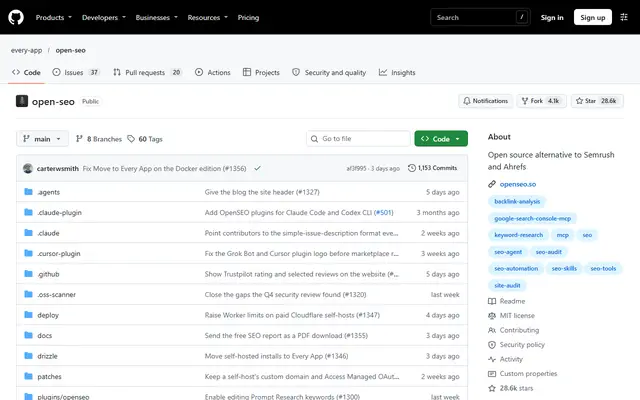 | OpenSEO | Open source | n/a | n/a | seen in search |
Self-hosted alternatives to Google Keyword Planner (1)
Software you run on your own server or computer. You keep control of the data and the uptime, and you take on updates, backups and security. For Google Keyword Planner, this list contains 1 entry in this group, including Better Search Lab. See all self-hosted alternatives across every product →
Choosing among self-hosted alternatives to Google Keyword Planner
The self-hosted group holds one entry, Better Search Lab. Self-hosting means keyword lists and results stay on infrastructure you control, which helps with privacy but moves updates, backups and access control onto you.
Because the group is thin, many teams reach the same goal with the DIY scripts described below. The self-hosted hub lists tools of this kind across the directory, and the Ahrefs page covers a managed alternative if you prefer not to run anything.
| Site | Name | Type | Founded | Majestic rank | Check |
|---|---|---|---|---|---|
| Better Search Lab | Self-hosted | n/a | n/a | seen in search |
Regional and local alternatives to Google Keyword Planner (6)
Vendors that are strongest in a particular country or region: local languages, local payment methods, local data-residency rules and local support hours. For Google Keyword Planner, this list contains 6 entries in this group, including Yandex Wordstat, Topvisor, Naver keyword tool, Baidu Index and Baidu Webmaster Tools. See all regional alternatives across every product →
Choosing among regional alternatives to Google Keyword Planner
Regional tools serve markets where Google is not the only engine. Our data lists six. Russia: Yandex Wordstat and Topvisor (Majestic rank 157548). South Korea: the Naver keyword tool. China: Baidu Index, Baidu Webmaster Tools and Dragon Metrics (rank 737142).
If your audience searches mainly on Yandex, Naver or Baidu, a Google-derived planner will miss real demand. The trade-offs are language of documentation and access rules for each service. Browse the regional hub for similar local specialists.
| Site | Name | Type | Founded | Majestic rank | Check |
|---|---|---|---|---|---|
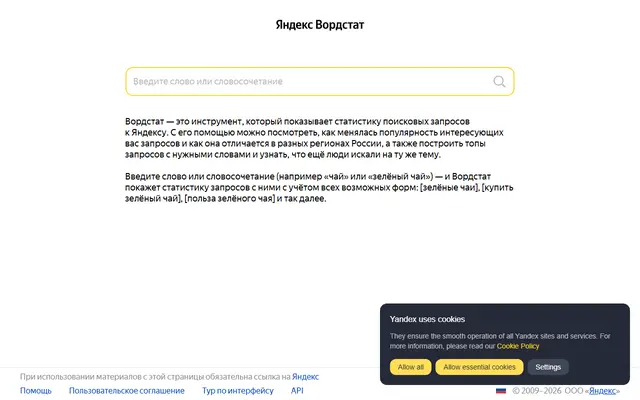 | Yandex Wordstat | Regional · Russia | n/a | n/a | seen in search |
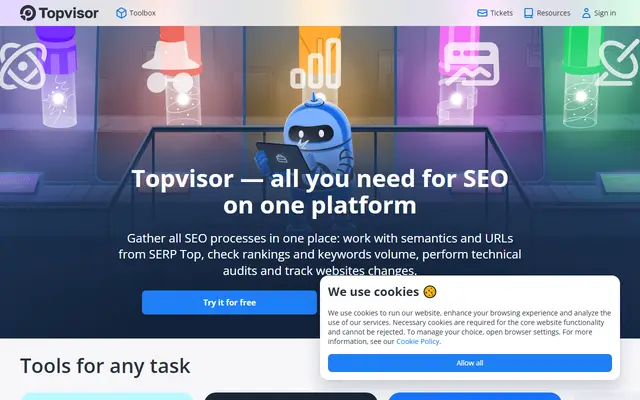 | Topvisor | Regional · Russia | n/a | #157,548 | seen in search |
| Naver keyword tool | Regional · South Korea | n/a | n/a | seen in search | |
| Baidu Index | Regional · China | n/a | n/a | seen in search | |
| Baidu Webmaster Tools | Regional · China | n/a | n/a | seen in search | |
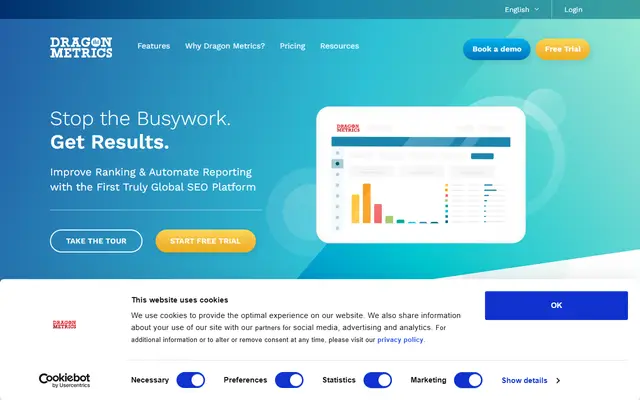 | Dragon Metrics | Regional · China | n/a | #737,142 | seen in search |
Built-in features of platforms you already use to Google Keyword Planner (4)
Capabilities that already ship inside a suite or platform you pay for. They rarely match a specialist tool feature for feature, but they cost nothing extra. For Google Keyword Planner, this list contains 4 entries in this group, including Google Search Console, Google Trends, Google Suggest and Bing Webmaster Tools. See all built-in alternatives across every product →
Choosing among built-in alternatives to Google Keyword Planner
Built-in means tools supplied by the search engines. Our data lists four: Google Search Console (Majestic rank 227), Google Trends (founded 2006), Google Suggest and Bing Webmaster Tools (founded 2009, rank 117). Those ranks show domain prominence, not product quality.
Search Console shows the queries your own site already appears for, Trends shows relative interest over time, and Suggest shows autocomplete phrases. None replaces a volume planner, but together they cost nothing. Read the built-in hub for the type overall.
Adjacent tools to Google Keyword Planner (3)
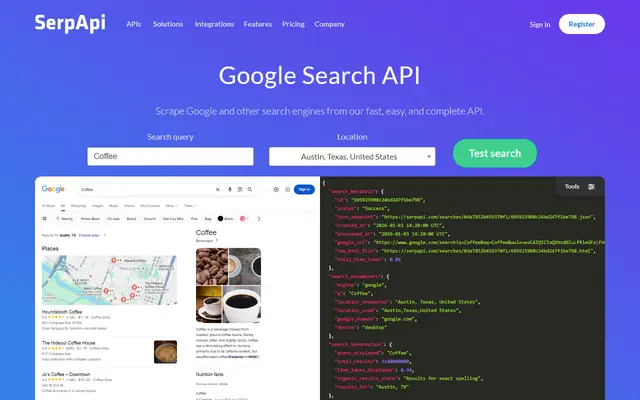
Products that cover part of the job or approach it from another angle. Useful when you only need a slice of the original product. For Google Keyword Planner, this list contains 3 entries in this group, including AnswerThePublic, Apify actors: Google Autocomplete / Keyword scraper and SerpApi. See all adjacent alternatives across every product →
Choosing among adjacent alternatives to Google Keyword Planner
Adjacent products cover one slice of research. Our data lists three: AnswerThePublic (Majestic rank 5205), Apify actors for Google Autocomplete and keyword scraping (Apify was founded in 2016 in the Czech Republic) and SerpApi (rank 32379). The first focuses on question phrases, the other two on programmatic collection.
Choose them when a single workflow, such as question mining or automated collection, is the real need. The risk is stacking several tools until effort exceeds a single suite. The adjacent hub collects similar products.
DIY and self-made approaches to Google Keyword Planner (2)
Spreadsheets, scripts and workflows you assemble yourself. Cheap and flexible for small needs, but they depend on whoever built them. For Google Keyword Planner, this list contains 2 entries in this group, including Python script: Google Autocomplete + People Also Ask and pytrends. See all diy alternatives across every product →
Choosing among DIY alternatives to Google Keyword Planner
Two do-it-yourself entries appear: a Python script combining Google Autocomplete with People Also Ask, and pytrends, a library for Google Trends data. They give exact control over seed terms, schedules and storage at very low cost.
You become the maintainer: if a source changes its markup or limits requests, the script breaks. A sensible compromise is a data API under your own reporting layer. See the DIY hub for the approach elsewhere.
Migration checklist: moving away from Google Keyword Planner
Because Keyword Planner is a research tool rather than a system of record, a switch is mostly about keeping your lists and decisions. Save what you have, then rebuild the same research in the new tool and compare.
Expect numbers to differ. Different sources use different methods, locations and refresh times, so agree on a baseline and note it in reports.
- Export saved keyword lists and plans, including locations and languages.
- Record the seed terms and filters that produced your best lists.
- Note campaign groupings so ad and SEO lists stay aligned.
- Save any forecast assumptions used in budgets.
- Run old and new tools on the same 50 terms and log differences.
- Check API or extension needs before cancelling anything.
- Keep your ads account active if campaigns still depend on it.
Mistakes to avoid when switching
The most common error is replacing a tool by brand without naming the job. A question tool will not give forecasts, and a suite may be more than a writer needs. Another is trusting a single volume figure when sources disagree.
Avoid treating every entry as vetted: all 37 were seen in search, but that only shows the name is described as an alternative, not that it fits your needs.
- Choosing a tool before listing the research jobs you perform.
- Comparing volumes across tools without noting method differences.
- Ignoring caps on daily searches, exports and saved lists.
- Dropping local-engine data when your audience uses Yandex, Naver or Baidu.
- Relying on scripts without anyone owning their maintenance.
What the public data says about these alternatives
Our data contains 37 alternatives: direct 6, regional 6, budget 5, enterprise 5, free 4, built-in 4, adjacent 3, DIY 2, open source 1 and self-hosted 1. The Planner's own domain carries no public rank in our data.
Among ranked entries, Bing Webmaster Tools (117) and Google Search Console (227) are the most prominent, followed by Semrush (653), Ahrefs (823) and Moz (848). At the other end are Dragon Metrics at 737142 and Twinword at 328255. Founding years in the data run from Moz in 2004 and Google Trends in 2006 to Serpstat in 2013 and Apify in 2016. Countries: Russia and China appear in regional entries, with South Korea tied to Naver and Twinword. Treat these as signals about prominence and origin, not quality. See the methodology page.
Frequently asked questions
What is the best free alternative to Google Keyword Planner?
Our data lists Keyword Sheeter, Keyworddit, QuestionDB and AlsoAsked as free options, and the built-in Google Search Console, Google Trends and Bing Webmaster Tools are free for site owners. They suit idea generation more than volume forecasting.
Is there an open-source alternative to Google Keyword Planner?
Our data lists OpenSEO, hosted on GitHub, as the open-source entry, and Better Search Lab as self-hosted. You run them yourself, so plan for hosting and a data source. DIY scripts such as pytrends are another route.
Which alternatives suit content writers?
Question-focused tools such as AlsoAsked, QuestionDB, AnswerThePublic and Keyword Sheeter are listed, along with Keywords Everywhere for browser use. Combine them with Search Console to see which topics already earn impressions.
What is the cheapest alternative to Google Keyword Planner?
Free tools cost nothing, and Ubersuggest, KWFinder, WordStream Free Keyword Tool, Keyworda and Keywords Everywhere are the budget-friendly entries. We list no prices, so check current plans and limits on searches and exports.
Which alternatives cover Yandex, Baidu or Naver?
Yandex Wordstat and Topvisor cover Russia, the Naver keyword tool covers South Korea, and Baidu Index, Baidu Webmaster Tools and Dragon Metrics cover China. Check access rules and language support with each service.
Can I export my keyword lists before switching?
Keyword research tools commonly allow CSV downloads, but limits vary and we do not verify them. Export saved lists and note the locations and languages used, then rerun a sample in the new tool to compare.
Do I still need Keyword Planner if I use a paid suite?
If you run Google Ads campaigns, many teams keep it for planning inside the ads account. For SEO research a suite such as Semrush or Ahrefs usually covers more, so it comes down to whether paid search is part of your work.
Can I build my own keyword tool?
Yes. Our data lists a Python script using Google Autocomplete and People Also Ask, and pytrends for Trends data. They cost little but you maintain them, and sources can change without notice.
Bottom line
Google Keyword Planner is a first-party advertising tool, and the public data shows 37 alternatives spread across ten types. The reasons to look elsewhere are specific: you want question phrases, a stand-alone login, competitor context, local-engine data or your own scripts. Matching the type to the reason shortens the list quickly.
A practical shortlist is one direct tool such as Keyword Tool or Serpstat, one free question source such as AlsoAsked, and the built-in consoles as ground truth. Run them on the same terms, compare with your own exports and check current plans on each vendor site. Continue with the SEO tools category or the Semrush page.
More alternatives pages related to Google Keyword Planner
Where Google Keyword Planner shows up as an alternative
Google Keyword Planner appears in the alternatives lists of 1 other product: AgencyAnalytics. Comparing those lists shows which tools keep being recommended across the whole category.
Explore more in SEO & Search Tools
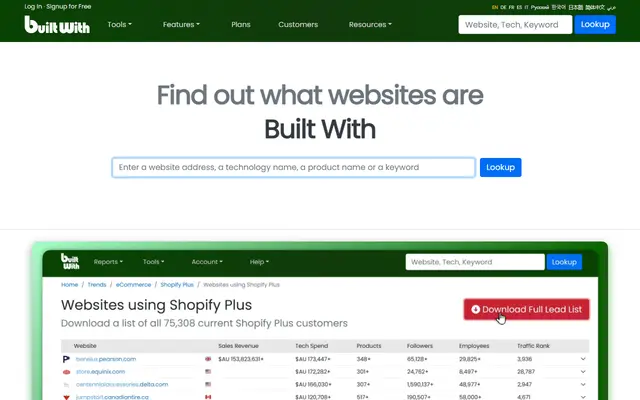
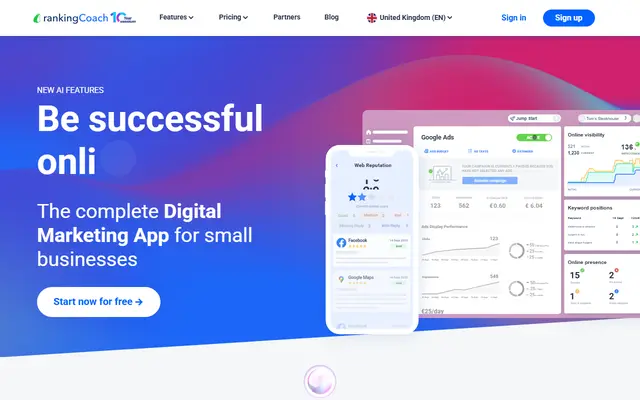
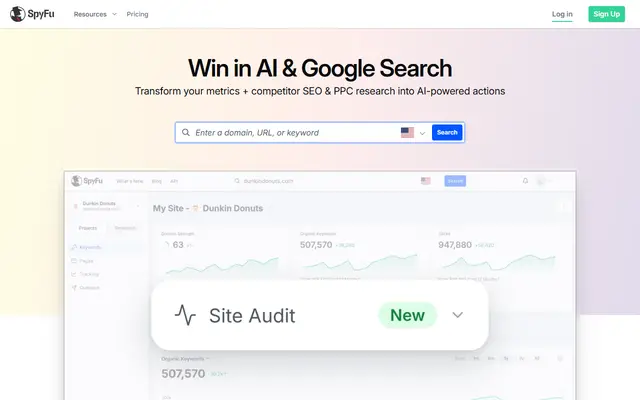
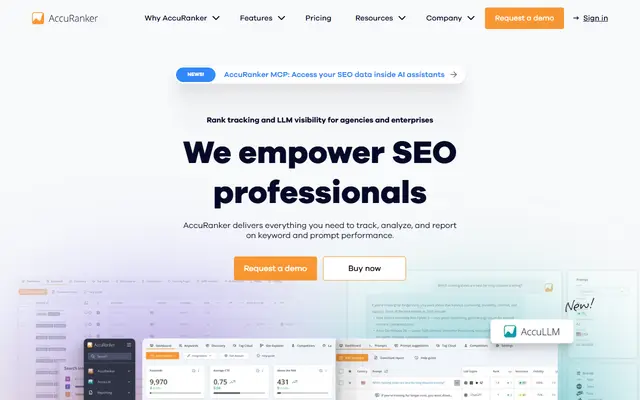
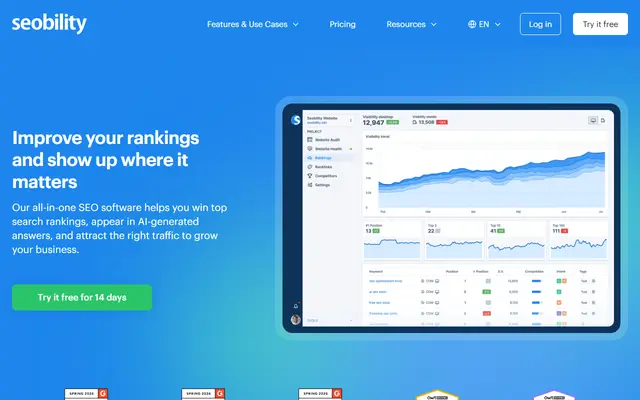
Keyword research, rank tracking, audits and content optimization. Browse the full SEO & Search Tools hub, or jump to a related comparison: BuiltWith, BrightLocal, rankingCoach, Semrush, Ahrefs, SpyFu, AccuRanker, Seobility.