Alternative credit scoring: 50 providers compared by type
A credit score is a number that lenders use to estimate how likely someone is to repay a debt. Traditional scores are built from files held by credit bureaus, and people with little or no file, such as young adults, newcomers to a country or people who mostly pay in cash, can be hard to score. Alternative credit scoring is the umbrella term for methods that look at other signals, such as bank transactions, rent, utility or phone payments, or machine-learning models.
This page is a directory of 50 organisations that appear in public sources around that topic, sorted into two types: regional credit bureaus and bureau-style registries tied to one country or area, and adjacent providers whose products touch scoring, data aggregation or underwriting. It is general information, not financial, tax or legal advice, and it makes no personal recommendations. Credit rules, consumer rights and what lenders may use differ greatly between countries.
Everything rests on public sources reviewed in November 2026. We did not test any product, and we list no prices, approval rates or accuracy claims. Of the 50 entries, 13 of the 50 were seen in search and 37 unconfirmed. Treat the page as a map for further reading, and rely on official sources and qualified professionals for any decision about your own credit. The wider personal finance category places this topic among related money subjects.
This page lists 50 alternatives to Credit Scoring, spread across 2 types: regional (20), adjacent (30).
13 of the 50 entries were seen in live web search results during our November 2026 review; the remaining entries are labelled unconfirmed so you know where extra checking is needed.
Regional options cover India, Brazil, Mexico, Colombia, Philippines, Indonesia, Nigeria, Kenya and more.
13 of 50 entries (26%) were seen in live search results during our review; the rest are labelled “unconfirmed” and should be checked on the vendor site.
What is alternative credit scoring and why do people look beyond traditional scores?
In most countries, lending decisions lean on data from credit bureaus: records of loans, cards and repayments that are summarised into a score or report. Scoring models such as FICO and VantageScore turn that history into a single number. These systems work reasonably well for people with a long, varied record and poorly for those without one, which is the gap that alternative approaches try to fill.
Alternative credit scoring has no single definition. In practice it includes using extra data, such as bank account activity shared with the consumer's consent, on-time rent or utility payments, or telecom usage. It also includes new models, often using machine learning, that estimate risk from a wider set of inputs. Some products add data to an existing score, some produce a separate score, and some help lenders underwrite directly.
People look at these options for different reasons. Consumers who are new to a country or credit may want a way to show reliability. Lenders and fintech companies want to approve more applicants without taking on unacceptable risk. Analysts study how data sources change outcomes. Each group faces trade-offs: more data can mean more privacy exposure, models can be hard to explain, and regulators in many places limit which data and methods may be used.
Our data holds no founding year, headquarters or rank for the topic as a whole, only for individual entries, and it carries no status note. This page therefore stays general. The sections below explain how we built the list and how to read it. For related subjects, see our pages on student loans and alternative investment platforms.
How we built this list
The list was compiled in November 2026 from public sources only: the Majestic Million ranking for domain prominence, the Tranco list, Wikidata for founding years and headquarters, and a manual review of public web search results on alternative credit scoring. Licences and limits are on the methodology page.
Each entry carries one of two statuses. Seen in search means we found the organisation described in public results on this topic. Unconfirmed means it appears in our source data but we could not match it in that review, so it is shown for completeness and never as a top pick. Only 13 entries are seen in search. We sort entries into regional and adjacent types because a country bureau and a global data firm answer different questions, and we do not rank, test or accept payment for inclusion.
How to evaluate an alternative credit scoring provider
This section is general information for readers who work with or study these services, such as lenders, analysts and fintech teams. It is not personal advice, and individuals should rely on official sources and qualified professionals for decisions about their own credit. The right questions depend on whether you are looking at a bureau, a data aggregator or a model provider.
First, identify the jurisdiction. Credit reporting is regulated country by country, and a bureau licensed in one market has no standing in another. Second, look at the data: where it comes from, whether the consumer has consented, how often it updates and how errors are corrected. Third, ask how scores or decisions are explained, since many regulators expect lenders to give reasons.
Finally, consider fairness and security. Models trained on one population may behave differently on another, and sensitive data needs strong protection. Our guides to regional alternatives and adjacent alternatives outline what each group covers. These criteria matter most:
- Jurisdiction and licensing: confirm the organisation operates legally in the country concerned.
- Data sources: check whether data comes from bureaus, bank accounts, rent, utilities or devices, and on what consent.
- Accuracy and disputes: look at how consumers can see and correct their data.
- Explainability: ask how scores and decisions are explained to the people affected.
- Fairness testing: ask how the provider checks for bias across groups.
- Security and privacy: review data protection, retention and sharing practices.
- Regulatory acceptance: confirm that lenders in the market are allowed to use the score.
Quick picks by situation
These are pointers for further reading, not recommendations. If you want to understand the established score makers and bureaus, start with the adjacent entries seen in search: FICO (UltraFICO), VantageScore, Experian (Experian Boost) and Equifax (OneScore and Telco Insights). TransUnion is also listed but unconfirmed.
If your interest is cross-border credit history, Nova Credit was seen in search. For bank-data based underwriting, Plaid (listed as a Consumer Reporting Agency) was seen in search, while Finicity, MX Technologies, Yodlee, TrueLayer, Tink, Credit Kudos and Mono are listed but unconfirmed. For device or behavioural data, EFL Global, formerly LenddoEFL, was seen in search, and Credolab, Cignifi and Juvo are unconfirmed.
Branch, Tala and Kreditech (now Monedo) were also seen in search among the adjacent entries, while Jumo is listed under regional. Rent reporting names such as Esusu, LevelCredit and RentTrack are unconfirmed. If you want a bureau in a particular country, see the regional section for India, Brazil, Mexico, Colombia, the Philippines, Indonesia, Nigeria, Kenya and South Africa. Our pages on Payoneer and Stripe cover adjacent payments topics.
All 50 alternatives to Credit Scoring by type
Regional and local alternatives to Credit Scoring (20)
Vendors that are strongest in a particular country or region: local languages, local payment methods, local data-residency rules and local support hours. For Credit Scoring, this list contains 20 entries in this group, including CreditVidya, TransUnion CIBIL, FinBox, Perfios and CRIF High Mark. See all regional alternatives across every product →
Choosing among regional alternatives to traditional credit scoring
Regional entries are bureaus and registries tied to a country or area. Our data lists twenty, none confirmed in our search review, so verify each directly. In India: CreditVidya, TransUnion CIBIL (Majestic rank 85,714), FinBox, Perfios and CRIF High Mark. In Brazil: Serasa Experian (rank 32,907), Boa Vista (founded 2010) and Quod. In Mexico, Círculo de Crédito; in Colombia, DataCrédito Experian.
In the Philippines: CIBI Information and CRIF Philippines. In Indonesia, Pefindo. In Nigeria: CRC Credit Bureau, FirstCentral Credit Bureau and CreditRegistry. In Kenya, Metropol; in South Africa, XDS. Creditinfo Group has no country in our data, and Jumo is labelled Africa and was founded in 2014. Bureau rules are national, so a regional bureau is the only relevant choice for local lending. See the regional hub.
| Site | Name | Type | Founded | Majestic rank | Check |
|---|---|---|---|---|---|
 | CreditVidya | Regional · India | n/a | n/a | unconfirmed |
 | TransUnion CIBIL | Regional · India | n/a | #85,714 | unconfirmed |
 | FinBox | Regional · India | n/a | #943,804 | unconfirmed |
 | Perfios | Regional · India | n/a | #731,713 | unconfirmed |
 | CRIF High Mark | Regional · India | n/a | #426,610 | seen in search |
 | Serasa Experian | Regional · Brazil | n/a | #32,907 | unconfirmed |
 | Boa Vista | Regional · Brazil | 2010 | #369,008 | unconfirmed |
| Quod | Regional · Brazil | n/a | n/a | unconfirmed | |
| Círculo de Crédito | Regional · Mexico | n/a | #546,753 | unconfirmed | |
| DataCrédito Experian | Regional · Colombia | n/a | n/a | unconfirmed | |
| CIBI Information | Regional · Philippines | n/a | n/a | unconfirmed | |
 | CRIF Philippines | Regional · Philippines | n/a | n/a | seen in search |
| Pefindo | Regional · Indonesia | n/a | n/a | unconfirmed | |
 | CRC Credit Bureau | Regional · Nigeria | n/a | n/a | unconfirmed |
| FirstCentral Credit Bureau | Regional · Nigeria | n/a | n/a | unconfirmed | |
| CreditRegistry | Regional · Nigeria | n/a | n/a | unconfirmed | |
 | Metropol | Regional · Kenya | n/a | n/a | unconfirmed |
 | Creditinfo Group | Regional | n/a | #551,581 | unconfirmed |
| XDS | Regional · South Africa | n/a | n/a | unconfirmed | |
| Jumo | Regional · Africa | 2014 | #491,494 | unconfirmed |
Adjacent tools to Credit Scoring (30)
Products that cover part of the job or approach it from another angle. Useful when you only need a slice of the original product. For Credit Scoring, this list contains 30 entries in this group, including FICO (UltraFICO), VantageScore, Experian (Experian Boost), Equifax (OneScore, Telco Insights) and TransUnion. See all adjacent alternatives across every product →
Choosing among adjacent alternatives to traditional credit scoring
Adjacent entries do not replace one national bureau but add data, scores or underwriting tools. Our data lists thirty. Seen in search: FICO (founded 1956), VantageScore (2006), Experian (1980, headquartered in Ireland), Equifax (1899), Nova Credit, Plaid, EFL Global, Branch, Tala and Kreditech (now Monedo, Germany). Unconfirmed: TransUnion (founded 1968), Clarity Services (Experian) and LexisNexis Risk Solutions among the bureau-style group.
Data and aggregation names include Prism Data, Finicity (Mastercard), MX Technologies, Yodlee (1999), TrueLayer, Tink, Credit Kudos and Mono. Rent-based names are Esusu, LevelCredit and RentTrack. Model and behavioural names are Credolab, Cignifi, Juvo, Zest AI, Upstart (2012) and Scienaptic AI. All these are unconfirmed apart from those listed first. See the adjacent hub.
| Site | Name | Type | Founded | Majestic rank | Check |
|---|---|---|---|---|---|
 | FICO (UltraFICO) | Adjacent | 1956 | #14,475 | seen in search |
| VantageScore | Adjacent | 2006 | #80,053 | seen in search | |
 | Experian (Experian Boost) | Adjacent | 1980 | #2,292 | seen in search |
 | Equifax (OneScore, Telco Insights) | Adjacent | 1899 | #4,256 | seen in search |
 | TransUnion | Adjacent | 1968 | #4,910 | unconfirmed |
 | Clarity Services (Experian) | Adjacent | n/a | n/a | seen in search |
 | Nova Credit | Adjacent | n/a | #148,097 | seen in search |
 | Prism Data | Adjacent | n/a | n/a | unconfirmed |
 | LexisNexis Risk Solutions | Adjacent | n/a | n/a | unconfirmed |
 | Plaid (Consumer Reporting Agency) | Adjacent | n/a | #10,993 | seen in search |
 | Finicity (Mastercard) | Adjacent | n/a | #410,028 | unconfirmed |
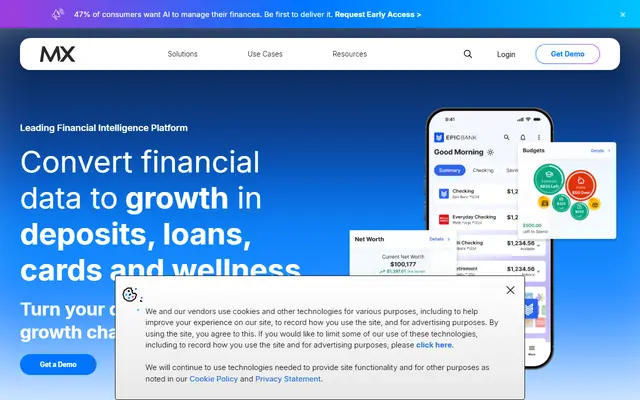 | MX Technologies | Adjacent | n/a | #91,761 | unconfirmed |
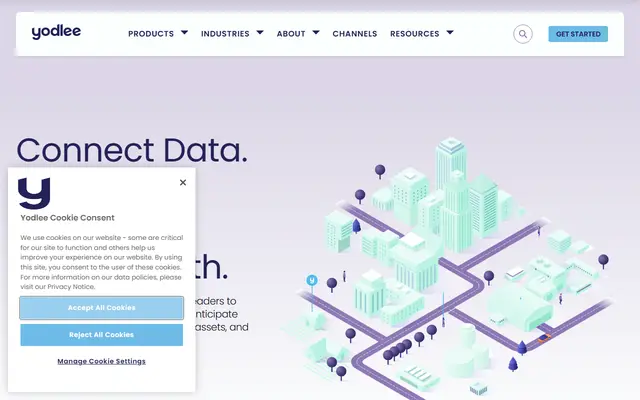 | Yodlee | Adjacent | 1999 | #80,370 | unconfirmed |
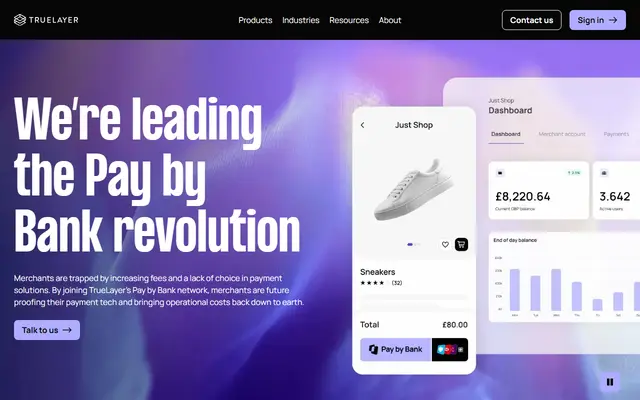 | TrueLayer | Adjacent | n/a | #114,443 | unconfirmed |
 | Tink | Adjacent | n/a | #110,895 | unconfirmed |
| Credit Kudos | Adjacent | n/a | #995,594 | unconfirmed | |
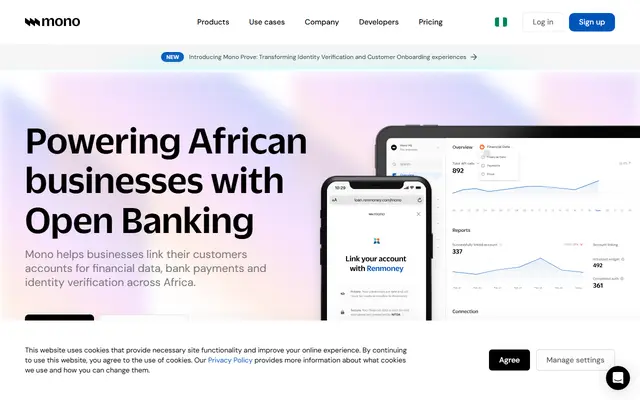 | Mono | Adjacent | n/a | #614,296 | unconfirmed |
 | Esusu | Adjacent | n/a | n/a | unconfirmed |
 | LevelCredit | Adjacent | n/a | n/a | unconfirmed |
 | RentTrack | Adjacent | n/a | #614,904 | unconfirmed |
 | EFL Global (formerly LenddoEFL) | Adjacent | n/a | n/a | seen in search |
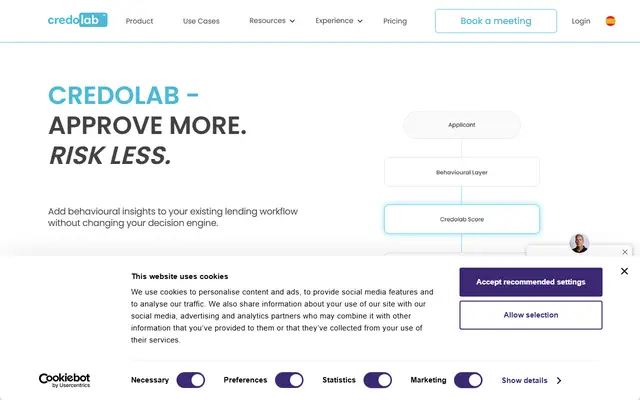 | Credolab | Adjacent | n/a | #735,475 | unconfirmed |
 | Cignifi | Adjacent | n/a | n/a | unconfirmed |
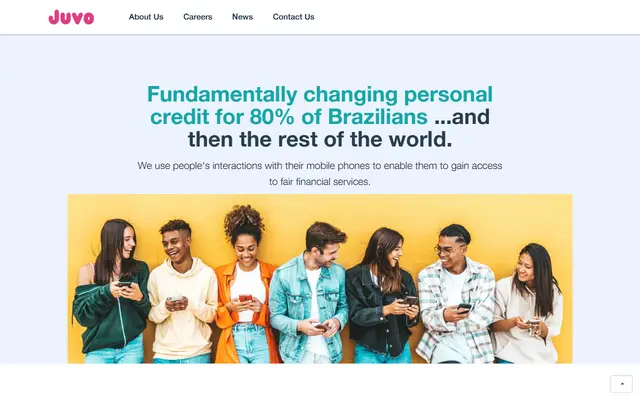 | Juvo | Adjacent | n/a | n/a | unconfirmed |
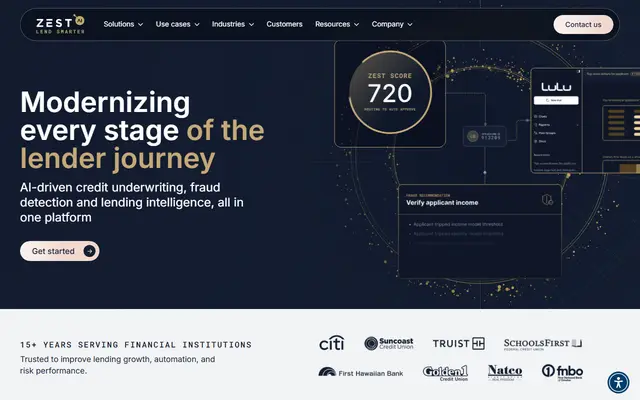 | Zest AI | Adjacent | n/a | #162,093 | unconfirmed |
| Upstart | Adjacent | 2012 | #36,025 | unconfirmed | |
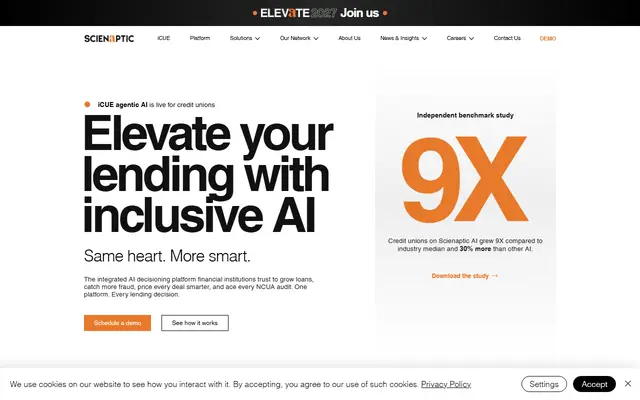 | Scienaptic AI | Adjacent | n/a | #617,185 | unconfirmed |
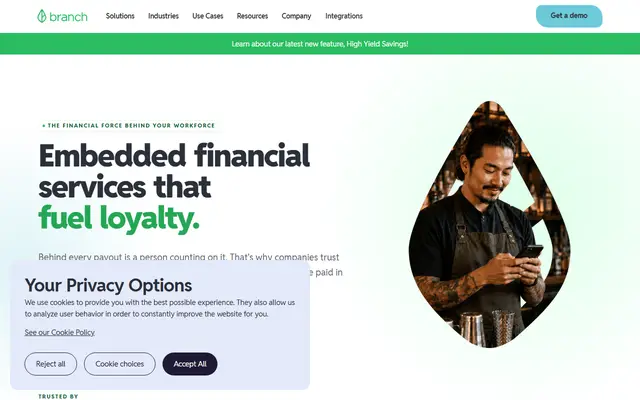 | Branch | Adjacent | n/a | #265,075 | seen in search |
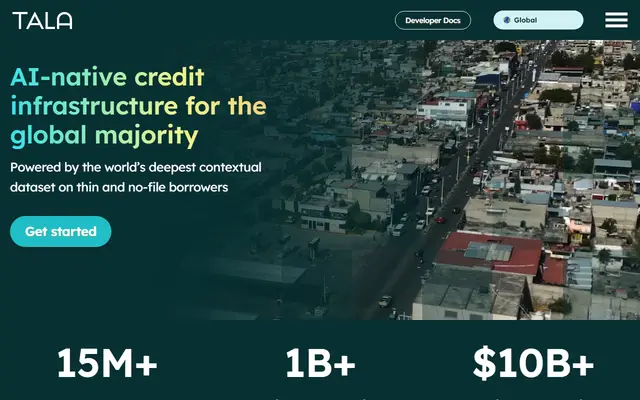 | Tala | Adjacent | n/a | #259,943 | seen in search |
 | Kreditech (now Monedo) | Adjacent | n/a | n/a | seen in search |
Checklist: moving between scoring or data providers
This checklist is for organisations that already use one credit data or scoring service and are considering another. It is general information, not legal or financial advice. Because decisions about people are involved, changes need testing, documentation and often regulatory review before they go live.
Run the new provider in parallel on historical or shadow data before using it for live decisions. Compare outcomes by group, document differences, and make sure staff know how to explain results. Keep the old service until the new one has proven stable and legal checks are finished.
- Check that the new provider is licensed and accepted in every country you serve.
- Review consent wording and data-sharing agreements before sending any personal data.
- Export reports, scores and decision logs from the old service where allowed.
- Test the new service on historical data and compare approvals and losses by group.
- Document how scores are explained to applicants and how disputes are handled.
- Confirm data retention, deletion and breach procedures in writing.
- Train staff and update policies before switching decisions.
- Keep the old service live until legal and risk teams sign off.
Mistakes to avoid when exploring alternative scoring
A frequent error is assuming that more data always means fairer or better decisions. Another is using a provider that is not accepted by local regulators or by the lenders you work with.
- Collecting data without clear consent.
- Assuming a model that works in one country works in another.
- Ignoring dispute and correction rights.
- Treating unconfirmed entries as proven without checking they are active.
- Relying on a single score without human review.
- Skipping legal review before changing live decisions.
What the public data says about these providers
Our data contains 50 entries: 13 of the 50 were seen in search and 37 unconfirmed. By type, adjacent is the larger group (30) and regional the smaller (20). None of the 20 regional entries was seen in search, which means that group rests on source data alone.
Among regional entries, India has five, Brazil three and Nigeria three, with the Philippines twice and Mexico, Colombia, Indonesia, Kenya and South Africa once each. Among entries with a known rank, Experian sits at Majestic rank 2,292, Equifax at 4,256, TransUnion at 4,910, Plaid at 10,993 and FICO at 14,475. Founding years run from Equifax in 1899 and FICO in 1956 to Upstart in 2012. These are signals of prominence and origin, not quality or accuracy. See the methodology page.
Frequently asked questions
What is alternative credit scoring?
It is a broad term for ways of assessing creditworthiness beyond traditional bureau files, using data such as bank transactions, rent or utility payments, or machine-learning models. Methods and legality differ by country. This is general information, not financial advice. Verify details with the provider and official sources.
Is there a free alternative to a traditional credit score?
Our data does not list a free type for this topic. Some services may offer free reports or limited access, but we do not verify terms. Check official sources and the provider's current conditions, and note that rules about free reports differ by country. Verify details with the provider and official sources.
Which providers were seen in search?
Ten entries: FICO (UltraFICO), VantageScore, Experian (Experian Boost), Equifax (OneScore, Telco Insights), Nova Credit, Plaid, EFL Global, Branch, Tala and Kreditech (now Monedo). The other 40 entries, including all regional ones, are unconfirmed in our review and should be verified. Verify details with the provider and official sources.
Which regional bureaus does the list include?
Entries cover India, Brazil, Mexico, Colombia, the Philippines, Indonesia, Nigeria, Kenya, South Africa and Africa more widely. Examples include TransUnion CIBIL, Serasa Experian, Pefindo, CRC Credit Bureau and Metropol. All regional entries are unconfirmed in our review. Verify details with the provider and official sources. Check current terms on the vendor's site.
Can alternative data improve my own credit?
Some services let consumers add data such as rent or telecom payments, but availability, lender acceptance and effects vary by country, and we cannot assess them. This page gives no personal recommendations. Consult the provider, official consumer sources or a qualified professional. Verify details with the provider and official sources.
Is alternative credit scoring legal everywhere?
No. Credit reporting is regulated nationally, and rules about consent, permitted data and explaining decisions differ. A provider accepted in one market may not be allowed in another. Check the regulator in your country. This is general information, not legal advice. Verify details with the provider and official sources.
What are the risks of alternative data?
Typical concerns include privacy, accuracy of the data, bias in models and difficulty explaining decisions. More data is not automatically fairer. Look at consent, dispute rights, security practices and regulator acceptance before relying on any provider. Verify details with the provider and official sources. Check current terms with each provider.
Do these providers replace credit bureaus?
Mostly they complement them. Some add data to bureau files, some create separate scores and some help lenders underwrite directly. In many countries, lenders still rely on bureau data, and regional bureaus remain central for local lending. Verify details with the provider and official sources. Check current terms on the vendor's site.
Can businesses use these services?
Lenders and fintech companies are the main users, subject to licensing and consent rules. Our data lists lender-facing names such as Zest AI, Upstart, Scienaptic AI and Credolab, all unconfirmed. Verify availability, contract terms and regulatory fit directly with each provider. Verify details with the provider and official sources.
Bottom line
Alternative credit scoring is a wide field, from national credit bureaus to bank-data aggregators and machine-learning models. In our data it splits into regional bureaus, none confirmed, and adjacent providers, with most of the confirmed names among them. The right starting point depends on the country, the data and the purpose, and legal acceptance matters as much as technology.
This page is general information, not financial, tax or legal advice, and it offers no personal recommendations. Use it as a map, verify each entry directly, and rely on official sources for decisions about credit. Continue with the personal finance category or the regional hub for more context.
More alternatives pages related to Credit Scoring
Explore more in Personal Finance & Investing
Alternatives to traditional student loans, investing platforms and credit scoring. General information only. Browse the full Personal Finance & Investing hub, or jump to a related comparison: Alternative Investment Platforms.