Microsoft App Center alternatives: 50 options compared by type
Microsoft App Center is a developer service that sits around mobile apps rather than inside them. In our data it belongs to the IT management category, with the domain appcenter.ms at Majestic rank 67259 and a Tranco rank of 896. People used products of this kind to build apps, hand test builds to colleagues, run tests on devices, collect crash reports and ship small updates, and each of those jobs now has several specialist tools competing for it.
This page lists 50 alternatives and groups them into six types: direct, enterprise-grade, open-source, self-hosted, regional and built-in. The grouping matters because App Center was never one thing. A team that mainly wants crash reports needs a different shortlist from a team that needs a cloud build pipeline or a place to distribute internal builds. Every one of the 50 entries was seen in search during our review, so none is flagged as unconfirmed.
Everything here is based on public sources reviewed in November 2026. We did not run hands-on trials and we do not quote prices, plan limits or feature matrices, because they change and are not part of our data. What we offer is a structured map you can use to build a shortlist before reading each vendor's current documentation. The wider IT management category shows how neighbouring products relate.
Microsoft App Center is available at appcenter.ms. Its domain ranks #67,259 in the Majestic Million, a free public list of the most-linked-to domains on the web. Its domain ranks #896 in the Tranco list of the most visited domains.
This page lists 50 alternatives to Microsoft App Center, spread across 6 types: direct (20), enterprise (9), open source (8), self-hosted (7), regional (2), built-in (4).
50 of the 50 entries were seen in live web search results during our November 2026 review; the remaining entries are labelled unconfirmed so you know where extra checking is needed.
Regional options cover Russia.
- Direct: 20 (40%)
- Enterprise: 9 (18%)
- Open source: 8 (16%)
- Self-hosted: 7 (14%)
- Regional: 2 (4%)
- Built-in: 4 (8%)
50 of 50 entries (100%) were seen in live search results during our review; the rest are labelled “unconfirmed” and should be checked on the vendor site.
Quick comparison: the closest alternatives to Microsoft App Center
| Site | Name | Type | Founded | Majestic rank | Check |
|---|---|---|---|---|---|
 | Bitrise | Direct | 2014 | #65,478 | seen in search |
 | Codemagic | Direct | n/a | #129,682 | seen in search |
 | Expo EAS | Direct | n/a | #10,129 | seen in search |
 | Firebase App Distribution | Direct | 2010 | n/a | seen in search |
 | Appaloosa | Direct | n/a | n/a | seen in search |
What is Microsoft App Center and why do people look for alternatives?
Microsoft App Center is a mobile developer platform from Microsoft. Our data records its domain, appcenter.ms, and its public ranks, but it carries no status note, no founding year and no ownership history for the product, so we do not make claims about its current availability. Check Microsoft's own announcements and documentation for the present state of each feature before you plan around it.
The reasons for looking elsewhere are easy to infer from the shape of the alternatives list. A single platform that builds, distributes, tests, monitors and updates an app is convenient, but each job can be done by a specialist. Teams that care about crash reporting compare Sentry, Bugsnag and Firebase Crashlytics. Teams that care about builds compare Bitrise, Codemagic and Azure Pipelines. Teams that care about device testing compare BrowserStack App Automate, AWS Device Farm and Sauce Labs. Teams that pushed over-the-air JavaScript updates look at Capgo, Hot Updater and Microsoft's own open code-push-server.
Other motives are organisational: wanting data on your own servers, consolidating onto one cloud vendor, or following a store-specific path through Apple and Google. Those motives map directly to the self-hosted and built-in types below.
If you are comparing neighbouring services, the pages for Datadog and ManageEngine cover monitoring from a wider infrastructure angle.
How we built this list
The list was compiled in November 2026 from public sources only. We combined the Majestic Million ranking for domain prominence, the Tranco list, Wikidata for founding years and headquarters, and a manual review of public web search results to see which products are presented as substitutes for App Center. Licences and limits are described on the methodology page.
Each entry has one of two statuses. Seen in search means we found the product described as an alternative or competitor in our review. Unconfirmed means it appears in source data but we could not match it; such entries are never offered as a top pick. For this page all 50 entries are in the first group.
We sort entries into types because the word alternative hides very different trade-offs. See direct alternatives and enterprise-grade alternatives for the hub pages. We do not rank by quality and inclusion is not paid for.
How to choose a Microsoft App Center alternative
Begin by listing which App Center jobs you really used. Many teams relied on two or three: distributing internal builds to testers, collecting crashes, and perhaps running CI. A narrow list points to a specialist, while a team that used everything may prefer one platform that covers the same ground. Then decide whether you want a hosted service or something you operate. Hosted tools save time; self-hosted tools keep data on your servers and cost you maintenance.
Next, check your app stack. React Native and Cordova or Capacitor teams care about over-the-air update tools such as Capgo, Capawesome Live Update, Stallion and Revopush. Native iOS teams may find Xcode Cloud and TestFlight enough. Android teams often start with Google Play Console. Finally consider procurement: enterprise buyers want support contracts and audit trails, while small studios want a generous free entry and simple setup. Weigh these criteria:
- Jobs covered: build, distribute, test, crash reporting, analytics or code push, and how many you need from one vendor.
- Platform fit: iOS, Android, React Native, Flutter, Ionic or Capacitor, and support for your CI.
- Hosting model: managed cloud versus your own server, and who patches it.
- Data location and export: crash history, tester lists and build artefacts you can take with you.
- Device coverage: real devices versus emulators, and the regions of the device farm.
- Team access: roles, single sign-on and audit needs.
- Vendor outlook: how long the product has existed and what our data shows about its ownership.
Quick picks by situation
For a like-for-like cloud build and distribution service, start with Bitrise or Codemagic. For quick tester distribution inside Google's ecosystem, Firebase App Distribution is listed with Firebase Crashlytics for crash reports. If your build pipeline already lives in Azure, Azure Pipelines is the obvious enterprise-grade step.
For crash and error monitoring alone, Sentry, Bugsnag, Embrace and the open-source GlitchTip each cover it, and Bugsink offers a small self-hosted option. For real-device testing, compare BrowserStack App Automate, AWS Device Farm, Kobiton and pCloudy, or move up to Sauce Labs, HeadSpin and Perfecto.
If you shipped over-the-air updates, look at Capgo, Hot Updater, Xavia OTA or the code-push-server repository. If you sell in Russia, RuStore Console and AppMetrica are the regional names in our data. If you want the platforms' own tools, use Apple TestFlight, Xcode Cloud or Google Play Console, which cost no extra vendor relationship. For wider monitoring needs, see the Datadog page, and for a small studio with one app, a single build service plus one crash tool is usually enough to start.
All 50 alternatives to Microsoft App Center by type
Direct alternatives to Microsoft App Center (20)
Products that solve the same core problem for the same kind of buyer. Switching usually means moving data and retraining people, not changing how you work. For Microsoft App Center, this list contains 20 entries in this group, including Bitrise, Codemagic, Expo EAS, Firebase App Distribution and Appaloosa. See all direct alternatives across every product →
Choosing among direct alternatives to Microsoft App Center
Our data lists 20 direct alternatives, all seen in search. The build and release group includes Bitrise (founded 2014, Majestic rank 65478), Codemagic, Expo EAS and Buildstash, with Appaloosa for distribution. For testing, there are BrowserStack App Automate (founded 2011), AWS Device Farm (founded 2006), Kobiton, pCloudy and TestMu AI.
Crash and monitoring tools include Sentry (founded 2012), Firebase Crashlytics, Embrace, Bugsnag and Azure Monitor. Capawesome Live Update, Stallion, Revopush and Capgo cover over-the-air updates. Because this type is so wide, match each product to one job before comparing, and avoid judging a distribution tool by the standard of a test lab. A practical method is to take the three App Center jobs you used most and pick one direct tool for each, then see whether any single vendor covers two of them. The full direct hub lists more products from other categories.
| Site | Name | Type | Founded | Majestic rank | Check |
|---|---|---|---|---|---|
| Bitrise | Direct | 2014 | #65,478 | seen in search |
| Codemagic | Direct | n/a | #129,682 | seen in search |
| Expo EAS | Direct | n/a | #10,129 | seen in search |
| Firebase App Distribution | Direct | 2010 | n/a | seen in search |
| Appaloosa | Direct | n/a | n/a | seen in search |
 | Buildstash | Direct | 2024 | n/a | seen in search |
 | BrowserStack App Automate | Direct | 2011 | #5,484 | seen in search |
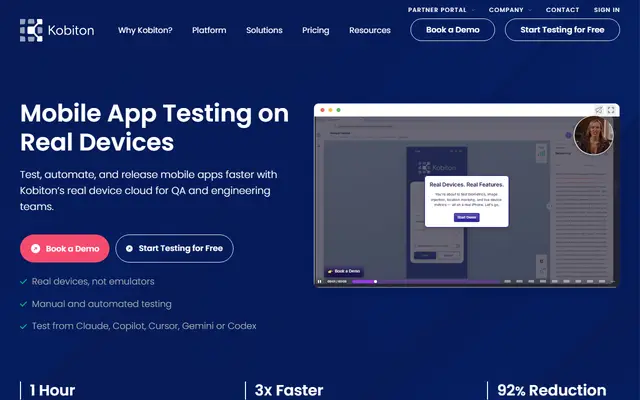 | Kobiton | Direct | n/a | #304,233 | seen in search |
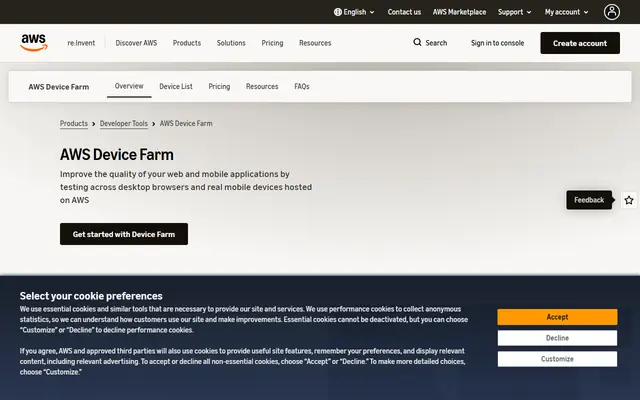 | AWS Device Farm | Direct | n/a | n/a | seen in search |
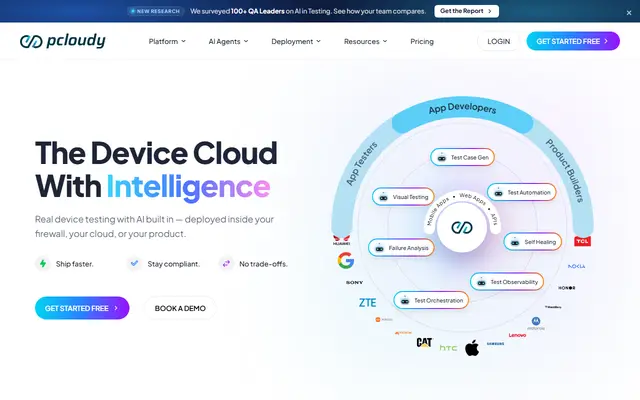 | pCloudy | Direct | n/a | #336,019 | seen in search |
| TestMu AI | Direct | n/a | n/a | seen in search | |
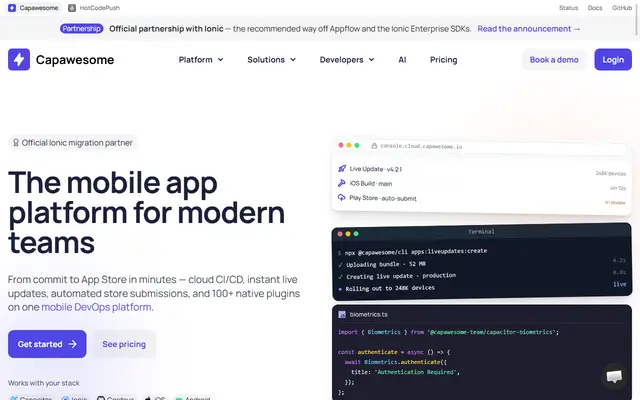 | Capawesome Live Update | Direct | n/a | #992,047 | seen in search |
| Azure Monitor (mobile analytics) | Direct | n/a | n/a | seen in search | |
 | Sentry | Direct | 2012 | #2,931 | seen in search |
| Firebase Crashlytics | Direct | 2010 | n/a | seen in search |
 | Embrace | Direct | n/a | #313,530 | seen in search |
| Stallion | Direct | n/a | n/a | seen in search | |
 | Revopush | Direct | n/a | n/a | seen in search |
 | Capgo | Direct | n/a | #427,802 | seen in search |
 | Bugsnag | Direct | n/a | #39,225 | seen in search |
Enterprise-grade alternatives to Microsoft App Center (9)
Platforms built for large teams: governance, audit trails, integrations and support contracts. They tend to cost more and take longer to roll out. For Microsoft App Center, this list contains 9 entries in this group, including Appcircle, Azure Pipelines, Applivery, Sauce Labs and HeadSpin. See all enterprise alternatives across every product →
Choosing among enterprise-grade alternatives to Microsoft App Center
Nine enterprise-grade options appear in our data. Appcircle (founded 2019), Azure Pipelines (founded 2010) and Applivery cover mobile delivery and distribution. Sauce Labs (2008), HeadSpin and Perfecto (2006) cover testing at scale.
Datadog (2010), Dynatrace (2005) and New Relic (2008) are observability platforms with Majestic ranks of 3493, 5892 and 4435. They are far broader than crash reporting and make sense when mobile monitoring joins wider infrastructure and backend monitoring. Expect sales conversations, longer contracts and onboarding. Read our Datadog page and the enterprise hub for context before booking demos, and ask each vendor how mobile releases, symbols and tester access are handled.
| Site | Name | Type | Founded | Majestic rank | Check |
|---|---|---|---|---|---|
 | Appcircle | Enterprise | 2019 | #213,073 | seen in search |
 | Azure Pipelines | Enterprise | 2010 | n/a | seen in search |
 | Applivery | Enterprise | n/a | #553,908 | seen in search |
 | Sauce Labs | Enterprise | 2008 | #25,267 | seen in search |
 | HeadSpin | Enterprise | n/a | #161,580 | seen in search |
 | Perfecto | Enterprise | 2006 | #187,350 | seen in search |
 | Datadog | Enterprise | 2010 | #3,493 | seen in search |
 | Dynatrace | Enterprise | 2005 | #5,892 | seen in search |
 | New Relic | Enterprise | 2008 | #4,435 | seen in search |
Open-source alternatives to Microsoft App Center (8)
Projects whose source code is public. You can inspect, modify and often self-host them, at the price of doing more of the maintenance yourself. For Microsoft App Center, this list contains 8 entries in this group, including Hot Updater, Codemagic Patch, GlitchTip, microsoft/code-push-server and Zealot. See all open source alternatives across every product →
Choosing among open-source alternatives to Microsoft App Center
Eight open-source options are listed. Hot Updater and Codemagic Patch handle over-the-air updates, and microsoft/code-push-server is the open server for the CodePush model. Zealot, DistApp and Einstore are distribution servers, Fenfa is a Go package for the same job, and GlitchTip is an open error tracker with Majestic rank 273246.
These projects carry no licence fee but they carry operational work: hosting, upgrades and backups. They suit teams with a developer who will own them, and they pair well with a managed build service. Check how recently each repository was updated before you depend on it, since small projects can go quiet. Browse the open-source hub for the wider picture, and read the self-hosted guide if you also want the running service to sit on your own servers.
| Site | Name | Type | Founded | Majestic rank | Check |
|---|---|---|---|---|---|
 | Hot Updater | Open source | n/a | n/a | seen in search |
| Codemagic Patch | Open source | n/a | n/a | seen in search | |
 | GlitchTip | Open source | n/a | #273,246 | seen in search |
| microsoft/code-push-server | Open source | n/a | n/a | seen in search | |
| Zealot | Open source | n/a | n/a | seen in search | |
| DistApp | Open source | n/a | n/a | seen in search | |
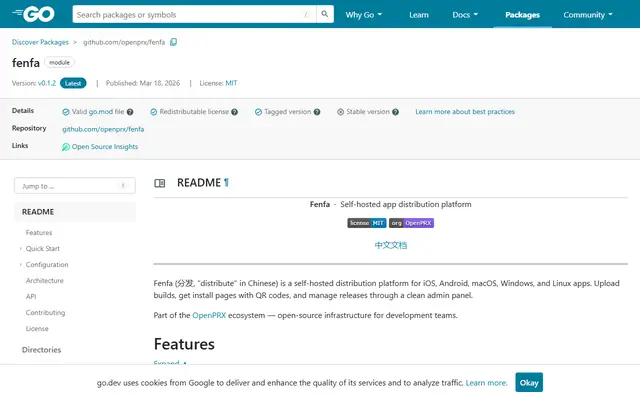 | Fenfa | Open source | n/a | n/a | seen in search |
| Einstore | Open source | n/a | n/a | seen in search |
Self-hosted alternatives to Microsoft App Center (7)
Software you run on your own server or computer. You keep control of the data and the uptime, and you take on updates, backups and security. For Microsoft App Center, this list contains 7 entries in this group, including xprem, Xavia OTA, Sentry self-hosted, Bugsink and Telebugs. See all self-hosted alternatives across every product →
Choosing among self-hosted alternatives to Microsoft App Center
Seven self-hosted options appear. Sentry self-hosted brings a well-known error tracker onto your own machines. Bugsink and Telebugs are smaller error trackers. Xavia OTA, xprem, AppHub and Significa App Distribution Server cover update delivery and internal distribution.
Self-hosting means that tester lists, crash payloads and build files stay on infrastructure you control, which helps with privacy rules and internal policies. It also means you handle uptime, storage growth and upgrades. Start with one app, test a restore from backup, and only then move the rest. Compare the effort with the managed options in the direct hub, and read the self-hosted hub for comparable products in other categories.
| Site | Name | Type | Founded | Majestic rank | Check |
|---|---|---|---|---|---|
| xprem | Self-hosted | n/a | n/a | seen in search | |
| Xavia OTA | Self-hosted | n/a | n/a | seen in search | |
| Sentry self-hosted | Self-hosted | 2012 | #2,931 | seen in search |
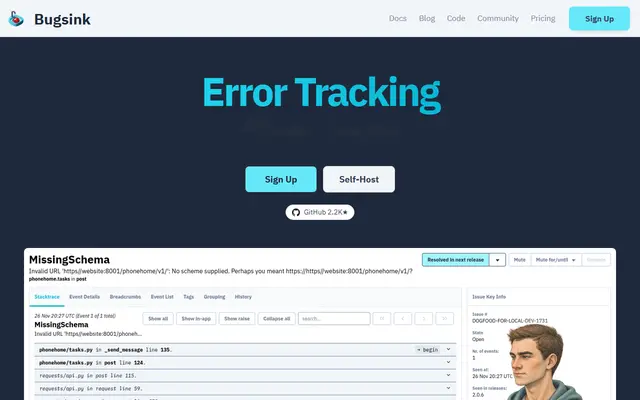 | Bugsink | Self-hosted | n/a | #454,213 | seen in search |
| Telebugs | Self-hosted | n/a | n/a | seen in search | |
| Significa App Distribution Server | Self-hosted | n/a | n/a | seen in search | |
| AppHub | Self-hosted | n/a | n/a | seen in search |
Regional and local alternatives to Microsoft App Center (2)
Vendors that are strongest in a particular country or region: local languages, local payment methods, local data-residency rules and local support hours. For Microsoft App Center, this list contains 2 entries in this group, including AppMetrica and RuStore Console. See all regional alternatives across every product →
Choosing among regional alternatives to Microsoft App Center
The regional group has two entries, both from Russia. AppMetrica is a mobile analytics service, and RuStore Console is the publishing console for the RuStore app store, founded in 2022 with Majestic rank 3654. They suit teams that target Russian users or need distribution inside that market.
Because the group is small, treat these as complements. A regional store console is not a drop-in replacement for build and test tools, so pair it with one of the direct or built-in options. The regional hub shows other products with a local focus, and the ManageEngine page covers a regional IT vendor.
| Site | Name | Type | Founded | Majestic rank | Check |
|---|---|---|---|---|---|
 | AppMetrica | Regional · Russia | n/a | n/a | seen in search |
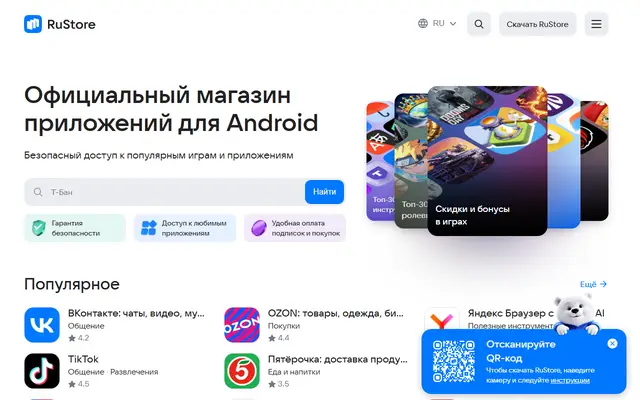 | RuStore Console | Regional · Russia | 2022 | #3,654 | seen in search |
Built-in features of platforms you already use to Microsoft App Center (4)
Capabilities that already ship inside a suite or platform you pay for. They rarely match a specialist tool feature for feature, but they cost nothing extra. For Microsoft App Center, this list contains 4 entries in this group, including Xcode Cloud, Apple TestFlight, Google Play Console and Package Flights (Partner Center, Microsoft Store). See all built-in alternatives across every product →
Choosing among built-in alternatives to Microsoft App Center
Four built-in options come from the platform owners. Xcode Cloud and Apple TestFlight serve the Apple route for builds and beta testing. Google Play Console, founded in 2008, serves the Android route. Package Flights in Partner Center covers pre-release distribution for the Microsoft Store.
These tools sit next to the stores and need no extra vendor, but each handles only its own platform. A team shipping to both iOS and Android will run two workflows with two sets of testers. Their appeal is simplicity and first-party support for new operating system releases. See the built-in hub for similar options, and the direct guide if you want one cross-platform service instead.
| Site | Name | Type | Founded | Majestic rank | Check |
|---|---|---|---|---|---|
 | Xcode Cloud | Built-in | n/a | n/a | seen in search |
 | Apple TestFlight | Built-in | n/a | n/a | seen in search |
 | Google Play Console | Built-in | 2008 | #11 | seen in search |
| Package Flights (Partner Center, Microsoft Store) | Built-in | n/a | n/a | seen in search |
Migration checklist: moving away from Microsoft App Center
Treat the move as several small migrations, one per job. Start by writing down every App Center function in use and the apps, groups and pipelines attached to each. Export what you can first, then set up the new tool and run it beside the old one for a full release cycle, so you can compare behaviour before the old service is switched off.
Plan separately for each area. Builds depend on signing certificates, provisioning profiles and keystores. Distribution depends on tester lists and install links. Crash reporting depends on SDK integration and symbol files, which usually require a code change in each app. Over-the-air updates require a matching SDK in the shipped app. For other planned moves in this space, see the SolarWinds page.
- List every app, build pipeline, distribution group and test run that uses the old service.
- Move signing certificates and keystores securely and document where they are stored.
- Export tester emails and group membership before cancelling anything.
- Replace the old crash and analytics SDKs, and upload symbol or mapping files to the new tool.
- Update CI scripts, environment variables and webhooks that call the old service.
- Ship a test build with the new SDKs to a small group before a public release.
- Keep old crash history exports, since new tools start empty.
- Cancel only after one clean release cycle on the replacement.
Mistakes to avoid when switching
The common error is replacing a bundle with one tool and discovering a gap later. Check each job on your list against the candidate. Another is forgetting that SDK-based features, such as crash reporting and update delivery, only work after a new app version reaches users, so old installs keep calling the old service for a while.
A third trap is to treat every entry as equal. Prominence of a domain says little about fit, and smaller tools can serve a narrow job better than large platforms. Finally, keep the people side in view: testers must reinstall apps from a new link, and colleagues need to know where crash alerts now arrive. See the direct alternatives hub when you want to compare like with like.
- Choosing by brand instead of by the jobs you actually run.
- Losing signing keys or provisioning profiles during the move.
- Assuming a hosted free entry will stay sufficient as your app grows.
- Self-hosting without a backup and upgrade plan.
- Switching off the old service before most users have updated the app.
- Ignoring the mobile-store rules that govern over-the-air code updates.
What the public data says about these alternatives
Our data contains 50 alternatives, all seen in search. By type the largest group is direct (20), followed by enterprise (9), open-source (8), self-hosted (7), built-in (4) and regional (2). Microsoft App Center itself has Majestic rank 67259 and Tranco rank 896.
Among the alternatives, AWS Device Farm has a Majestic rank of 156, Sentry 2931, Datadog 3493, BrowserStack 5484 and Dynatrace 5892, so the best-known names are far more prominent than App Center's own domain. At the other end, Capawesome Live Update sits at 992047. The oldest founding year shown is Dynatrace in 2005, followed by AWS Device Farm and Perfecto in 2006, and the newest is Buildstash in 2024. Only a few entries carry a headquarters country, and where they do it is the United States. Treat these as signals about prominence, not quality. The methodology page explains each source.
Frequently asked questions
What is the best free alternative to Microsoft App Center?
For beta distribution, Apple TestFlight and Google Play Console are the built-in options from the platform owners. For crash reporting, GlitchTip is an open-source error tracker. We do not list prices, so confirm the current free allowance of any hosted tool on the vendor's own site.
Is there an open-source alternative to Microsoft App Center?
Yes. Our data lists eight: Hot Updater, Codemagic Patch, microsoft/code-push-server, Zealot, DistApp, Fenfa, Einstore and GlitchTip. They cover over-the-air updates, internal distribution and error tracking. They need someone to host and maintain them, so they suit teams that have developer time to spare and want control over their data.
Which alternative is closest to an all-in-one platform?
No single entry matches every job. Bitrise and Codemagic cover builds, Firebase App Distribution and Firebase Crashlytics cover distribution and crashes, and Azure Pipelines is the enterprise route inside Azure. Most teams combine two or three tools, choosing one per job, and keep the store consoles as a baseline.
Which tools replace crash reporting?
Sentry, Bugsnag, Embrace and Firebase Crashlytics are direct options. GlitchTip is open-source, and Sentry self-hosted, Bugsink and Telebugs can run on your own servers. Enterprise platforms such as Datadog, Dynatrace and New Relic also monitor applications at a broader level, which suits larger organisations.
What can replace CodePush-style over-the-air updates?
Our data lists Capgo, Capawesome Live Update, Stallion and Revopush as direct options, Hot Updater and Codemagic Patch as open-source ones, and Xavia OTA as self-hosted. Microsoft's code-push-server repository is also listed. Check store rules on remote code updates before relying on any of them.
Which options suit device testing?
BrowserStack App Automate, AWS Device Farm, Kobiton, pCloudy and TestMu AI are direct options. Sauce Labs, HeadSpin and Perfecto are enterprise-grade. Compare the device models, regions and automation frameworks each supports against the phones your users actually own, and check how results are exported.
Can I use only Apple and Google tools?
Often yes for distribution. Apple TestFlight and Xcode Cloud cover the iOS route, and Google Play Console covers Android. The trade-off is two separate workflows and no shared dashboard, so teams that want one view across platforms tend to add a cross-platform tool such as Bitrise or Codemagic.
Are there regional alternatives?
Two Russian options appear in our data: AppMetrica for mobile analytics and RuStore Console for publishing to the RuStore app store. They suit teams focused on that market and do not replace build or test tooling, so combine them with a direct or built-in option.
How should I migrate crash reporting?
Install the new SDK in a release, upload symbol or mapping files, and run both systems side by side until most users have updated. Export old crash history first, because a new tool starts with no past data, and keep the export so that regressions can be compared later.
Bottom line
Microsoft App Center bundled several jobs that are now handled well by specialists. Our data shows 50 alternatives, every one seen in search, and the practical choice depends on which job you need most: building, distributing, testing, monitoring or updating. We have no status note for the product, so confirm what is still available from Microsoft before you plan the move.
A sensible shortlist has three parts: one cross-platform build service such as Bitrise or Codemagic, one crash tool such as Sentry or Firebase Crashlytics, and the store tools from Apple and Google as a baseline. Run them in parallel for one release cycle and compare. Continue with the IT management category, the Datadog page or the self-hosted hub.
More alternatives pages related to Microsoft App Center
Explore more in IT Management & Monitoring
Service management, infrastructure monitoring, device management and remote access. Browse the full IT Management & Monitoring hub, or jump to a related comparison: Scalefusion, Ivanti, LogMeIn, ServiceNow, PRTG, Datadog, TOPdesk.